Latin America And Caribbean Region Expected To Install 9 GW Of Solar In 5 Years

That solar photovoltaic (PV) technology is poised to become a dominant energy generation technology throughout the world is of no surprise to most, but the sheer wealth of possibility being forecast throughout the middle and southern hemispheres begins to give an idea of just how prevalent the technology will be by the end of the decade.

Figures published by NPD Solarbuzz have so far predicted that several of the major Asia Pacific nations will account for 60% of solar PV demand in 2014, while being primary drivers of growth over the next several years, at the same time as the Middle East and Africa region currently has close to 12 GW of solar demand in the pipeline.

So it should really come as no surprise that NPD Solarbuzz’s recent figures show that the Latin America and Caribbean region is set to install 9 GW of solar PV over the next five years.

Latin America and Caribbean Five-Year Cumulative Demand Forecast by Project Status

“Solar PV is now starting to emerge as a preferred energy technology for Latin American and Caribbean countries,” said Michael Barker, senior analyst at NPD Solarbuzz. “The region has high electricity prices and it also benefits from strong solar irradiation, which makes it a good candidate for solar PV deployment. As a result, experienced global solar PV developers are seeing strong solar PV growth potential in the region.”

NPD Solarbuzz’s Emerging PV Markets Report: Latin America and Caribbean shows that the total PV project pipeline now exceeds 22 GW of projects across all stages of development — with 1 GW of projects already under construction, and another 5 GW of projects have received the appropriate approval to proceed.

The Latin America and Caribbean region was previously home to many small-scale and off-grid solar PV applications, however governments are now looking to solar PV to address large-scale utility power requrements — specifically in Brazil, Chile, and Mexico.

“Many countries across the LAC region have the potential to develop into major solar PV markets in the future,” added Barker. “While project pipelines vary by country, there is a strong contribution from early-stage developments that have yet to finalize supply deals or find end-users to purchase the generated electricity, which presents both risks and opportunities for industry players.”

A number of countries throughout the developing and second-world countries are turning to renewable energy technologies to develop strong, future-proof, and economically efficient energy generation. Such a trend is being backed by major manufacturing companies who are focusing their efforts on these regions, hoping to increase their own profits while fulfilling renewable energy demand. More


High-level Event Discusses Renewable Energy in SIDS


News: High-level Event Discusses Renewable Energy in SIDS

1 September 2014: Participants recognized sustainable energy for all as a tool for eradicating poverty, combating climate change, creating economic opportunities and achieving sustainable development for all small island developing States (SIDS), at a high-level side event, titled ‘Linking SIDS and Sustainable Energy for All (SE4ALL): From Barbados to Samoa, and Beyond.' The event took place on the sidelines of the Third International Conference on SIDS, in Apia, Samoa, on 1 September 2014.


The SE4ALL side event aimed to build on commitments from the UN Conference on Sustainable Development (UNCSD, or Rio+20+) and the Barbados SIDS High-Level Conference on SE4ALL, to take stock of progress since these events and chart the way forward to ensure sustainable energy for all SIDS.


Speaking at the event, UN Secretary-General Ban Ki-moon said achieving the three targets of the SE4ALL initiative is an important part of putting the world on a pathway for keeping temperature rise below two degrees Celsius. He outlined the need for a new energy paradigm, particularly for SIDS, who he said are particularly vulnerable to climate change and faced inflated energy costs due to their remoteness, and he welcomed the proposal of a dedicated Sustainable Development Goal (SDG) on sustainable energy for all with a focus on access, efficiency and renewables. Ban encouraged all leaders to “bring bold actions and ideas and strong political vision and political will” to the UN Climate Summit.


“SIDS are creating opportunities and examples that, if replicated worldwide, could lead the transition from fossil fuel energy to renewable and sustainable energy,” said UN General Assembly President John Ashe in his remarks.


The panel was moderated by Helen Clark, UN Development Programme (UNDP) Administrator, and featured: Adnan Amin, Director-General, International Renewable Energy Agency (IRENA); Camillo Gonsalves, Foreign Minister of Saint Vincent and the Grenadines; Salvatore Bernabei, General Manager, Enel Green Power Chile and Andean Countries; Naoko Ishii, CEO and Chairperson of the Global Environment Facility (GEF); and Reginald Burke, Caribbean Policy Development Centre. Key messages included the importance of reducing risk to catalyze private investment, the leadership being taken by SIDS, and various SIDS initiatives on sustainable energy, such as SIDS Dock and IRENA's SIDS Lighthouse project.


Participants highlighted: energy costs and energy security; climate change; and challenges and vulnerabilities faced by SIDS, including their small size and the high costs of importing fossil fuels. They stressed SIDS' renewable energy potential and the importance of addressing energy access and efficiency, highlighting the role of partnerships to address these issues. [UN Press Release] [UN Secretary-General Statement] [UNDP Administrator Remarks] [IISD RS Meeting Coverage, 1 September] [IISD RS Sources]


read more: http://energy-l.iisd.org/news/high-level-event-discusses-renewable-energy-in-sids/


Can This Transform the Caribbean?

In the immortal words of Montserratian singer/songwriter, Arrow, the Caribbean is “…feelin’ hot, hot, hot!” And, that’s a good thing.

With a little help from Mother Nature, the islands of the Caribbean are learning to harness the power of high temperature geothermal energy beneath the earth’s surface.

In an effort to move away from reliance on expensive, fossil-fueled, diesel-powered generators toward a dependable, eco-friendly source of renewable energy, a number of forward-thinking Caribbean islands are aggressively searching for and identifying alternative sources of power beneath the surface.

Energy self-sufficiency, long sought-after by local governments may soon become a reality for some islands in the Caribbean.

While the road to sustainable geothermal power generation has no short cuts and faces a number of financial, administrative and physical challenges, the rewards can be substantial in the long-run.

Geothermal power produces an environmentally-friendly, long-lasting energy source that can provide electricity at significantly lower cost and, in some cases, may produce enough excess power, exported via submarine cables, to create a revenue stream between islands.

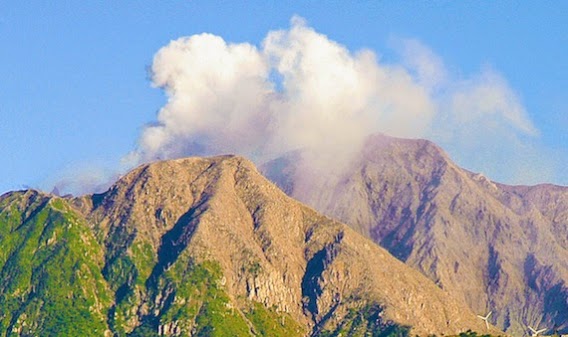
The Caribbean island of Montserrat is among the leaders in geothermal exploration.

It is also on a mission of rebirth from the devastation caused by the eruption of the Soufrière Volcano in the mid-1990s which destroyed the capital town of Plymouth, left more than half of the island’s residents homeless and covered more than 30 percent of the island with lava and ash.

Today, Montserrat has plans for a new capital town, a new port, a vibrant hospitality and tourism industry and the regeneration of private enterprise equipped with a sustainable infrastructure. Geothermal power will play a major role in this transformation.

Ironically, the same geological forces that created the Soufrière Volcano will now be harnessed to power the island’s electricity grid from a geothermal source. Iceland Drilling Company Ltd., a leading high-tech company in the field of high temperature deep geothermal drilling, has successfully tested two geothermal wells on Montserrat and the foundation is now in place for a third well backed by the UK government, part of its continuing support for the British Overseas Territory’s Master Plan for Growth.

It is our hope that Montserrat’s geothermal resources and sustainable, “green” energy infrastructure will attract environmentally-conscious developers and investors as “founding fathers” of our new capital town.

Ultimately, “going green” in Montserrat may help the nation move to the forefront in eco-tourism while driving a self-sufficient economic future.

In Dominica, geothermal exploration supported by the European Union brings with it the hopes of clean energy generation sufficient to supply the entire island and provide electricity for export as well.

Nevis, another volcanic island, is hoping to become a regional supplier of power to nearby St. Kitts, among others, and has said it intends to begin exploratory well-digging at various sites around the island.

Geothermal power has the possibility of transforming the Caribbean.

It will allow for a rise in the standard of living, an increase in job opportunities and a cleaner environment for residents and visitors to enjoy.

If nations can reduce, or eliminate, their reliance on expensive, environmentally harmful fossil fuels, they will not only pave the way for energy independence but also create an attractive environment for investors to support sustainable practices and economic development that will benefit the entire region. More


Leaders sign historic sustainable energy & climate resilient treaty

September 2: Over 150 delegates and members of the international development community from more than 45 countries were stunned to see leader after leader approach the podium to sign a historic sustainable energy and climate resilient treaty that will significantly change the lives and destiny of over 20 million small islanders, for the better.

Led by the Deputy Prime Minister of Samoa, Hon. Fonotoe Nuafesili Pierre Lauofo, multiple leaders from the Pacific, Caribbean and African, Indian Ocean and Mediterranean Sea (AIMS) regions, forcefully raised their voices in unison and accepted responsibility for fulfilling the commitment to the Small Island Developing States (SIDS) Sustainable Energy mechanism – SIDS DOCK. The opening for signature of this historic SIDS DOCK Treaty – a SIDS-SIDS Initiative – was a major highlight of the first day of the United Nations (UN) Third International Conference on SIDS, taking place in Apia, Samoa, from 1-4 September.

The unprecedented and unexpected number of Heads of State and Government present, sent a strong signal to the standing room only audience, the SIDS population and the international community, demonstrating how deeply committed SIDS leaders are and that they all firmly believe that SIDS must, have and will take responsibility for charting the future of their countries towards a path that would see a total transformation of the SIDS economy away from fossil fuels, to that of one driven by low carbon technologies. The event was considered so important to the Republic of Cabo Verde, that the Prime Minister, Hon. José Maria Neves, excused himself and his entire delegation from the Plenary Hall, to ensure that Cabo Verde, a SIDS DOCK Founding Member was well-represented at the signing – the Cabo Verde Government has one of the most ambitious plans in SIDS, that aims to achieve 100 penetration of renewable energies in Cabo Verde, by 2020.

More than half the members of the Alliance of Small Island States (AOSIS) were present for the signing of the historic treaty, witnessed by the SIDS DOCK partners Denmark, Japan and Austria, whose kind and generous support facilitated SIDS DOCK start -up activities; also present were SIDS DOCK partners, the United Nations Development Programme (UNDP), the World Bank, the United Nations Industrial Development Organization (UNIDO) and the Clinton

Foundation. The treaty was signed by the governments of Barbados, Belize, Bahamas (Commonwealth of the), Dominica (Commonwealth of), Cabo Verde (Republic of), Cook Islands, Dominican Republic, Fiji (Republic of), Grenada, Guinea Bissau, Kiribati (Republic of), Niue, Palau (Republic of), Saint Kitts and Nevis, Saint Vincent and the Grenadines, Samoa (Independent State of), Seychelles (Republic of), and Tuvalu.

The Statute will remain open for signature in Apia, Samoa until September 5, and will reopen for signature in Belmopan, Belize, from September 6, 2014 until it enters into force. Belize is the host country for SIDS DOCK, with Samoa designated as the location for the Pacific regional office. More


Al Gore’s “Turning Point”

Eight years after Al Gore wrote a book and made a movie to impress upon us the “planetary emergency of global warming” (his subtitle for An Inconvenient Truth), he wrote an article with a more optimistic feel- ing in the 18 June 2014 issue of Rolling Stone. He begins “The Turning Point: New Hope for Climate” as follows:

Al Gore - Climate Reality Leadership Corp

In the struggle to solve the climate crisis, a powerful, largely unnoticed shift is taking place. The forward journey for human civilization will be difficult and dangerous, but it is now clear that we will ultimately prevail. The only question is how quickly we can accelerate and com- plete the transition to a low-carbon civilization.

The “surprising – even shocking – good news” is “our ability to convert sunshine into usable energy . . . much cheaper far more rapidly than anyone had predicted,” Gore writes: the cost of photovoltaic electricity is competitive with that from other sources in at least 79 countries, and the 43% decrease in cost of wind- generated electricity since 2009 has made it cheaper than coal-generated electricity. By 2020 more than 80% of world population will live where photovoltaic electricity is competi- tive with other sources.

As evidence of this “largely unnoticed shift,” he notes that Germany now generates 37% of its electricity from wind and solar, a percentage expected to reach 50% by 2020, and that nine of ten European coal and gas plants are losing money. Worldwide, capacity for 17 gi- gawatts of solar electricity was installed in 2010, for 39 in 2003, with expectations of 55 in 2014. China claims it will have a capacity of 70 solar gigawatts by 2017. (A gigawatt is the power generating capacity of a standard electric power plant.)

Gore states that in the U.S. 166 coal-fired plants have closed or announced closings in the last 4.5 years, and 183 proposed coal-fired plants have been canceled since 2005. He acknowledges that some of this shift from coal is to natural gas obtained by hydrofracturing (“fracking”) but focuses on the emergence of “on-site and grid battery storage and microgrids,” noting that the Edison Electric Institute (the U.S. utility trade group) has labeled this trend as the “largest near-term threat” to the present elec- tric utility system. He likens this threat to that posed by cell phones to the landline telephone system. He cites Citigroup’s recognition of the decreased cost of solar and wind electricity and battery storage (long seen as a barrier to intermittent energy from renewable). In addition, he notes a reduction of 49% in energy intensity (energy in- put per dollar output in gross domestic product) since 1980.

Gore observes that the Koch brothers have led the fight against rooftop solar electricity and for keeping the present fossil-fueled electric plants, one of their arguments being that net metering allows producers of solar electricity to benefit from the grid without paying for it. Al- though Gore neglects to mention that in net metering the utility pays the generator only the wholesale price for the surplus generation, he does note that solar electricity gen- eration has the advantage of peaking with electricity de- mand, thereby saving utilities from having to install new peak generation capacity (a point also made by keynoter Perez at the kickoff to develop the solar lessons for School Power Naturally, reported in our Winter 2003 issue).

Gore likens global warming to a fever for planet Earth and notes that the presently-gathering El Niño is expected to result in a pronounced global temperature increase. (Coverage in our Winter 2010 issue of a talk to the American Physical Society and the American Association of Physics Teachers on 15 February 2010 by Judith Lean of the Naval Research Laboratory attributes this to the phase of the 22-year solar cycle.) He correlates the de- struction from Supertyphoon Haiyan and Superstorm Sandy with greater surface water temperature (5.4oF for the former, 9oF for the latter). He notes that higher water temperatures also mean higher sea level and disruption of water supplies that depend on snowmelt. And he adds that even more severe catastrophes are in the offing, like the irreversible collapse of a portion of the West Antarc- tic ice sheet. In addition to heightened sea level, warmer climate also means an atmosphere capable of holding more water vapor and delivering more severe storms, as have been seen in Pensacola (FL), and Nashville (TN). At the same time, global warming will exacerbate the dryness of the drier parts of the Earth through greater evaporation of what little water there is in the ground. Gore also observes that climate change brings concern to the military for both the safety of its bases and the new types of world conflict it will have to deal with.

Gore concedes that these many “knock-on consequences of the climate crisis” are enough to cause anyone to despair. But, as he writes in his opening paragraph, “we will have to take care to guard against despair,” lest we become deterred from the action we must pursue. Though there be light at the end of the tunnel, he points out that we are in the tunnel. Among the things he says we need are “a price on carbon in our markets” and “green banks” to finance “green” projects.

“Damage has been done, and the period of consequences will continue for some time to come, but there is still time to avoid the catastrophes that most threaten our future.”

Though U.S. greenhouse gas emissions had decreased from 2008 to 2012, due to recovery from the recession, they increased 2.4% in 2013. Gore calls for the U.S. to match the European Union’s commitment to reduce carbon dioxide emissions 40% by 2030.

Gore’s concluding reasons for optimism are that “Rapid technological advancements in renewable energy are stranding carbon investments; grassroots movements are building opposition to the holding of such assets; and new legal restrictions on collateral flows of pollution . . . are further reducing the value of coal, tar sands, and oil and gas assets.” “Damage has been done,” he adds, “and the period of consequences will continue for some time to come, but there is still time to avoid the catastrophes that most threaten our future.”


Global campaign launched to improve weather & climate services for small island developing states (SIDS)

A global campaign to improve weather and climate services for all small island developing states was launched today with the support of the World Meteorological Organisation (WMO), the Secretariat of the Pacific Regional Environment Programme (SPREP) and Digicel Pacific.

The Small Islands, Weather Together campaign (www.weathertogether.org) aims to show how the small island developing states of the world can work together to improve their vital weather and climate services.

In the Pacific region alone, extreme weather already accounts for 76% of all disasters with 50% directly related to cyclones. The increase in extreme weather events is also hampering the sustainable development of many small island developing states. For example, when Cyclone Evan hit Samoa in December 2012 it resulted in the loss of one third of the country’s entire annual economic output.

WMO Secretary-General Michel Jarraud stresses that small island developing states need greater investment to further strengthen their vital weather and climate services and to ensure that efforts towards sustainable development are not wasted.

“If we don’t invest in stronger weather and climate services for small island developing states then extreme weather events could simply wipe out years of development effort if they are not well prepared. It is much more cost-effective to invest in early preparedness and prevention than to focus only on rehabilitation and post-disaster action,” he asserted.

Climate change is increasing the frequency and intensity of weather and climate events – cyclones, typhoons, drought, flash floods – in many small island developing states. But many of their Meteorological Services still lack the basic infrastructure, technology and expertise they need to protect vulnerable island communities and economies.

For Mr. Jarraud, there is an urgent need to enhance the quality of early warnings for extreme weather. He pointed out that the formulation and dissemination of these warnings also need to be improved so that they can be understood and used by the island communities and government agencies.

In the Pacific islands, SPREP and other partners are working to improve communication of this type of information in partnership with national meteorological services, the media, including broadcast stations and communities.

“SPREP recognises that weather forecasts and warnings such as those given during tropical cyclones do not have a shelf life, they must be disseminated rapidly to the public or else they are useless,” says SPREP Acting Director General Kosi Latu.

He further noted, “We can improve the quality of the forecasts and warnings so that countries and communities have more lead time to take action. But we can also improve the way climate information is used over longer time scales by farmers, fishermen and by decision-makers across government. For example, when planning new infrastructure, we can say ‘this place has a high risk of tsunami, flooding or storm surge, so don’t build things here’.”

Mr. Jarraud recalls that the small developing island states stand to suffer more and more if the global community fails to agree to a limit in greenhouse gas emissions, the main human cause of climate change and global warming.

“Greenhouse gas emissions are still on the rise. We need to reach a peak of emission over the next 15–20 years, then to decrease dramatically to zero equivalent emission in about 50–60 years from now.

“This is a huge challenge. We must act now. The more we wait, the more difficult it will be, and, therefore, the more expensive it will be for countries to adapt to climate change. If we do not act now, we are agreeing to leave the small island developing states in a situation which may no longer be manageable,” he warned.

The Small Islands, Weather Together campaign was launched specifically to coincide with the lead up to the United Nations Third International Conference on Small Island Developing States, which will be held in Apia, Samoa, from 1–4 September, 2014.

For more information visit: www.weathertogether.org


Small Caribbean Island Shows Bold Ocean Leadership: Barbuda Overhauls Reef and Fisheries Management for Sustainability

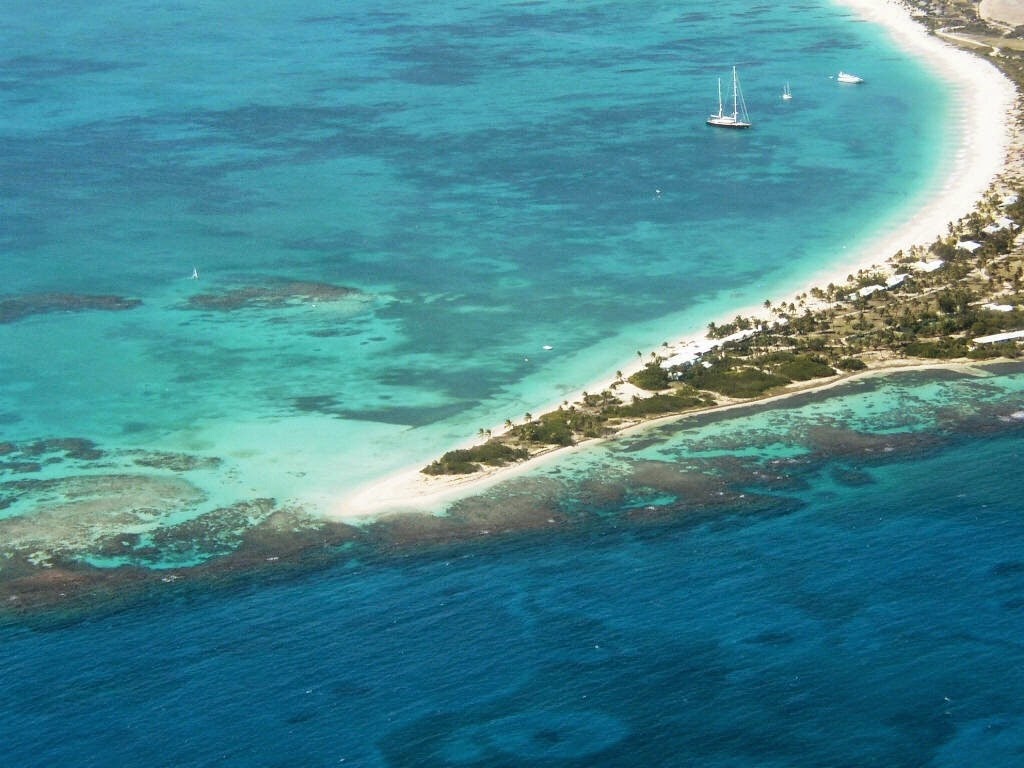
On August 12th, Barbuda Council signed into law a sweeping set of new ocean management regulations that zone their coastal waters, strengthen fisheries management, and establish a network of marine sanctuaries.

This comes after seventeen months of extensive community consultation and scientific research supported by the Waitt Institute. With these new policies, the small island of Barbuda has become a Caribbean ocean conservation leader and global role model. The regulations establish five marine sanctuaries, collectively protecting 33% (139 km2) of the coastal area, to enable fish populations to rebuild and habitats to recover. To restore the coral reefs, catching parrotfish and sea urchins has been completely prohibited, as those herbivores are critical to keeping algae levels on reefs low so coral can thrive. Barbuda is the first Caribbean island to put either of these bold and important measures in place.

“This will definitely benefit the people of Barbuda, and Antigua as well. No part of this is meant to hurt fishers. It’s the reverse – ensuring that they have a livelihood that will last in perpetuity,” said Arthur Nibbs, Chairman of the Barbuda Council and Antigua and Barbuda Minister of Fisheries.

Caribbean-wide, communities are seeing declines in the health of coastal ecosystems and fish populations. This negatively impacts economies, food security, and cultures. Visionary action like that shown in Barbuda is needed to manage the ocean sustainably, profitably, and enjoyably, for this and future generations. The coastal zones and fishing regulations reflect stakeholders’ priorities and are the outcome of a community-driven, science-based, and consensus-seeking process aiming to balance current and future needs to use ocean resources. More


Time to ask why

Young people have the most to gain from solving the climate crisis — and the sooner the better.

They didn't cause the issue, but they'll have to live with it for decades. And for far too long, they and their interests have been ignored by leaders who refuse to protect the planet.

On September 23, this is going to change when exceptional young people get a chance to put their questions to the world's decision-makers — to speak for their generation at the U.N. Climate Summit in New York City.

Today, we begin searching for the people who will ask their leaders the tough questions about global warming. We're collecting videos of young people ages 13-21 posing tough Why? or Why not? questions about the climate crisis. We'll choose the best to attend the Summit and demand serious answers from the world's leaders.

If you're between the ages of 13 and 21, submit a video. If not, encourage someone you know to submit a video of their own.


Why do we continue burning fossil fuels that cause climate change? Why not switch to clean, renewable energy?

The answers are out there, but we won't get them unless we stand together and demand them — and refuse to be ignored.

Thanks for your continued support,

Al Gore
Founder and Chairman

SUBMIT A VIDEO


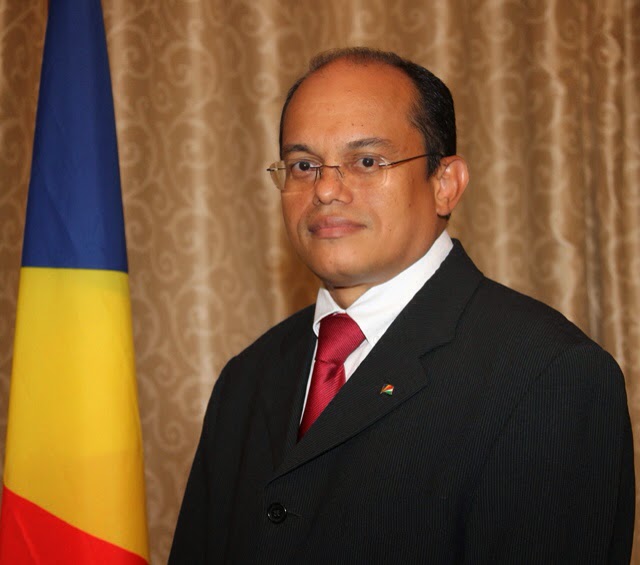
Geneva beckons Rolph Payet – Seychelles environment and energy minister lands top UN post

(Seychelles News Agency) – Seychelles Minister for Environment and Energy, Professor Rolph Payet has been appointed the new Executive Secretary of the Basel, Rotterdam and Stockholm Conventions by the United Nations Secretary General Ban Ki-moon.


Announcing the appointment in a press statement this afternoon, State House said Payet will contribute to the implementation of the mandates and missions of those three conventions including the formulation of their overall strategies and policies.

“He will also act in an advisory capacity to the UNEP Executive Director and the Presidents and the Bureaus of the conventions as well as their subsidiary bodies,” reads the statement.

The environment minister’s role will also include coordinating the preparation of the meetings and implement the substantive work programme of the conventions, including providing assistance to parties, in particular developing country parties and those with economies in transition.

He will also lead the development of strategies and policies and undertake fund raising and donor reporting, the strategic interagency work of the Secretariat in close coordination with UNEP and other Multilateral Environmental Agreements.

Responding to SNA in an email following this afternoon’s announcement, Payet said he is deeply honoured of such confidence in him to lead the conventions.

“I am equally happy that I have been chosen, coming from a Small Island Developing States, during this year dedicated to SIDS. My appointment represents the hard work of President James Michel and the government of Seychelles to continuously push so that Seychelles remains a leader in environment on the international scene. I will miss my work and even though I will be away from Seychelles I will continue to work for the benefit of my country,” he said.

Payet will take up his new post in October this year and he will be based in Geneva.

He will replace Kerstin Stendahl from Finland, who has been serving as interim since April this year following the retirement of US national Jim Willis as the Executive Director of the Basel, Rotterdam and Stockholm Conventions.

The Basel, Rotterdam and Stockholm Conventions.

The first convention is aimed at protecting human health and the environment from the effects of hazardous wastes.

This convention was adopted in 1989 and it entered into force in 1992.

The Rotterdam Convention, which entered into force ten years ago, also deals with the disposal of waste especially pesticides and industrial chemicals.

The third one, the Stockholm Convention which also came into force 10 years ago is a global treaty to protect human health and the environment from chemicals that remain intact in the environment for long periods. The latter or POPs is said to have serious consequences on humans and wildlife.

Seychelles president hails Payet’s appointment as “a memorable achievement.”

Seychelles President James Michel has hailed Payet’s appointment which he describes as “a memorable achievement.”

In a congratulatory message sent to the minister, Michel has wished him success in his new role and expressed his full cooperation and support in his tasks and challenges that lie ahead.

“Your appointment to this high office is a well-deserved recognition of your scientific and academic capabilities and crowns a professional life devoted to the environment and to the cause of Small Island Developing States. It also brings immense pride and satisfaction to Seychelles,” said Michel in the statement.

Michel said he would announce a new minister for environment and energy at a later date.

Payet and the environment cause

The 46 year old leaves vacant the portfolio of Environment and Energy which he assumed in March 2012.

Before that he was Special Advisor to the president on numerous environmental matters including sustainable development, biodiversity, climate change, energy and international environment policy

Payet who holds a Phd in Environmental Science from Linnaeus University of which is now an Associate Professor, is described as a leader in the protection of the environment on the international scene.

He has been at the forefront of several international discussions on issues affecting small islands developing states such as climate change, sustainable development, biodiversity and other environmental issues.

In recent years, he has been invited to participate or as a guest speaker on numerous international conference committees and panels including the United Nations General Assembly.

He has also contributed widely towards several publications on environmental issues.

Payet’s work in advancing environment, islands, ocean, biodiversity and climate issues at the global level has earned him numerous international awards and recognition.

In January 2007, he was recognised as a Young Global Leader by the World Economic Forum and in November that same year he shared in the IPCC Nobel Peace Prize as one of the authors of the Intergovernmental Panel on Climate Change (IPCC).

Locally, Payet has also helped to set up Seychelles first university, the University of Seychelles which was set up in September 2009. He is currently the pro chancellor of the university. More


Has the era of the ‘climate change refugee’ begun?

A far-flung scattering of islands in a turquoise sea, Tuvalu is one of the planets' smallest and most remote nations, just west of the International Date Line, just south of the equator.

Funafuti, Tuvalu

Tuvalu's coastline consists of white and sandy beaches, green palm trees and mangroves. It is hard to imagine that anybody would want to leave this small island nation, located between Australia and Hawaii, voluntarily. But Tuvalu has become the epicenter of a landmark refugee ruling that could mark the beginning of a wave of similar cases: On June 4, a family was granted residency by the Immigration and Protection Tribunal in New Zealand after claiming to be threatened by climate change in its home country, Tuvalu. The news was first reported by the New Zealand Herald on Sunday.

The small Pacific island nation sits just two meters above sea level. If the current sea level rise continues, experts believe the island might disappear in approximately 30 to 50 years. Tuvalu shares this existential threat with many other island nations and coastal regions, which have struggled for years to raise international awareness about their tragic plight. Predictions for climate change-induced displacement range widely from 150 to 300 million people by 2050, with low-income countries having the far largest burden of disaster-induced migration, according to the Internal Displacement Monitoring Center.

Those threatened by sea-level rise, droughts or other natural catastrophes face an epochal problem: Victims of climate change are not recognized as refugees by the International Refugee Convention. In the Tuvalu case, Sigeo Alesana and his family reportedly left the island nation in 2007 and moved to New Zealand, where they lost their legal status in 2009. The family was not able to obtain work visas and had to apply for refugee and protected persons status in 2012. Although the claims were dismissed in March 2013 and an appeal was turned down, the family's case was finally approved. The case was closely followed by immigration and environmental lawyers all over the world.

Sigeo Alesana and his wife claimed before the tribunal that climate change had made life in Tuvalu more difficult due to much more frequently occurring inundations, that caused coastal erosion and made it difficult to grow crops. The tribunal explicitly mentioned climate change in its assessment saying that Alesana's children were particularly “vulnerable to natural disasters and the adverse impact of climate change.”

“I don't see it as delivering any kind of 'verdict' on climate change as such,” says Vernon Rive, a Senior Lecturer in Law at AUT Law School in Auckland. The New Zealand decision is very specific because the family based its application for residency on three arguments, Rive says. First, the family members claimed to be refugees; second, they argued to be “protected people“, and third, the family said its case fell under “exceptional humanitarian grounds.” Each of these arguments is based on an existing convention regarding refugees, but the family only succeeded because it claimed “exceptional humanitarian grounds,” which is a wording recognized in New Zealand's immigration legislation but not by many other governments.

In its judgment the New Zealand tribunal surprisingly acknowledged the humanitarian consequences of climate change among other factors, such as the presence of an elderly mother who required care. In its conclusion, however, the tribunal refrained from singling out climate change and stated that other factors would already have been sufficient to grant residency to the family. In other words: The tribunal avoided a clear decision on whether climate change can or cannot be reason enough for refugees to be granted residency. The mere fact that the tribunal mentioned the impacts of global warming as a contributing factor to the ruling is nevertheless remarkable. “What this decision will not do is open the gates to all people from places such as Kiribati, Tuvalu and Bangladesh who may suffer hardship because of the impacts of climate change,” Rive says.

While the tribunal's decision may not have the same impact everywhere, it could send a strong signal to a number of nations, such as Sweden and Finland, that often grant asylum to people affected by natural disasters. According to French climate change migration expert François Gemenne, governments need to get to grips with the reality of climate change refugees, irrespective of legal conventions. “I believe that bilateral or regional arrangements are going to become necessary,” says Gemenne, suggesting a raft of agreements will need to be put into place, between nations and among geopolitical blocs, that will ensure the protection of those displaced by rising waters.

But will there eventually be open doors for the victims of climate change? Some of the countries endangered by climate change fear that their citizens could effectively become “second class” citizens abroad. As a consequence, the island nation Kiribati – itself at risk from climate change – has set up a “Migration with Dignity” program which involves training its citizens as highly-skilled workers who are needed and welcomed in other countries if and when the residents of Kiribati are forced to move.

The recent New Zealand ruling could give smaller nations stronger leverage on the international stage. But do the world's leading statesmen, beset by a host of other crises, care? Michael Gerrard, Director for Climate Change Law at Columbia University, puts current progress in perspective: “The world community has not even begun to grapple with what is to come,” he tells WorldViews in an e-mail. More