Climate change key in Syrian conflict – and it will trigger more war in future

Climate change was a key driver of the Syrian uprising, according to research which warns that global warming is likely to unleash more wars in the coming decades, with Eastern Mediterranean countries such as Jordan and Lebanon particularly at risk.
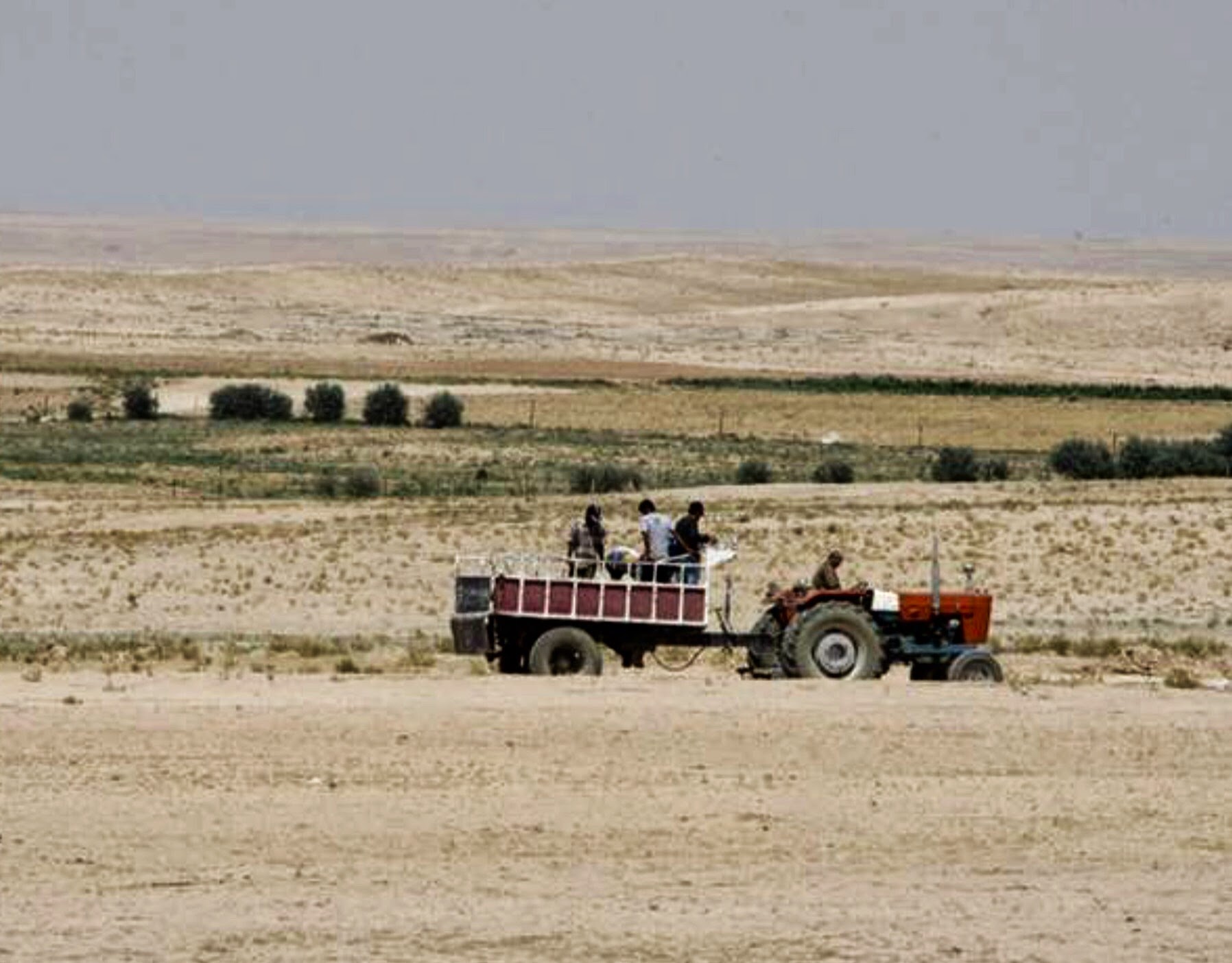
Experts have long predicted that climate change will be a major source of conflict as drought and rising temperatures hurt agriculture, putting a further strain on resources in already unstable regimes.

But the Syria conflict is the first war that scientists have explicitly linked to climate change. Researchers say that global warming intensified the region’s worst-ever drought, pushing the country into civil war by destroying agriculture and forcing an exodus to cities already straining from poverty, an influx of refugees from war-torn Iraq next door and poor government, the report finds.

“Added to all the other stressors, climate change helped kick things over the threshold into open conflict,” said report co-author Richard Seager, of Columbia University in New York.

“I think this is scary and it’s only just beginning. It’s going to continue through the current century as part of the general drying of the Eastern Mediterranean – I don’t see how things are going to survive there,” Professor Seager added.

Turkey, Lebananon, Israel, Jordan, Iraq and Afghanistan are among those most at risk from drought because of the intensity of the drying and the history of conflict in the region, he says. Israel is much better equipped to withstand climate change than its neighbours because it is wealthy, politically stable and imports much of its food. Drought-ravaged East African countries such as Somalia and Sudan are also vulnerable along with parts of Central America – especially Mexico, which is afflicted by crime, is politically unstable, short of water and reliant on agriculture, Prof Seager said.

The conflict in Syria began in spring 2011 and has evolved into a complex multinational war that has killed at least 200,000 people and displaced millions more, according to the Columbia study, which appears in the journal Proceedings of the National Academy of Sciences. It was preceded by a record drought that ravaged Syria between 2006 and 2010.The paper says the timing is unlikely to be a coincidence, citing a recent interview with a 38-year old farmer in Mohasen, an agricultural village in the north east of Syria.

Asked if the conflict was about the drought, Faten – a female farmer who did not want to give her last name – said: “Of course. The drought and unemployment were important in pushing people towards revolution. When the drought happened, we could handle it for two years, and then we said, ‘It’s enough’,” the report said.

The study combined climate, social and economic data relating to the so-called Fertile Crescent, spanning parts of Turkey and much of Syria and Iraq, where agriculture and herding are thought to have started 12,000 years ago and continue to be crucial.

The region has warmed by between 1 and 1.2C since 1900, reducing rainfall in the wet season by an average of 10 per cent. In addition to the warming – which has found to be caused by human greenhouse gas emissions – Syria has had to contend with rapid population growth, from 4 million in the 1950s to 22 million now.

The ruling al-Assad family encouraged water-intensive export crops such as cotton, while illegal drilling of irrigation wells dramatically depleted groundwater that might have provided valuable reserves, the report said. The drought’s effects were immediate. Agriculture production, which typically makes up a quarter of Syria’s economy, plummeted by a third.

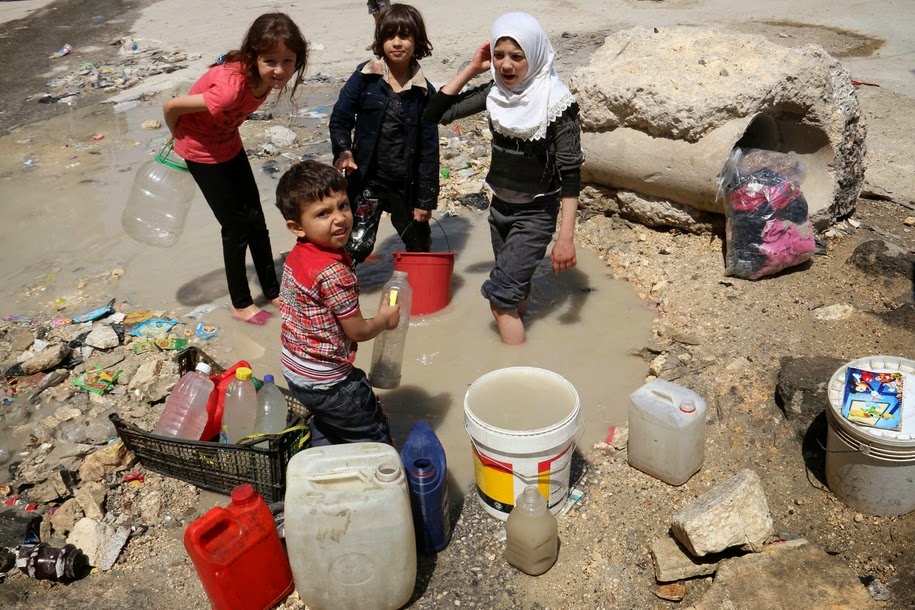
In the hard-hit northeast, livestock herds were practically obliterated, cereal prices doubled and nutrition-related diseases among children increased dramatically. As many as 1.5m people fled from the country to the city.

“Whether it was a primary or substantial factor is impossible to know, but drought can lead to devastating consequences when coupled with pre-existing acute vulnerability,” said lead author Colin Kelley, who did the work at Columbia but is now the University of California, Santa Barbara.

The pressure exerted by climate change is even more dangerous because it comes against a backdrop of rising populations and growing scarcity of resources, experts say.

With demand for basic commodities such as wheat and copper set to soar over the next two decades, relatively small shocks to supply risk causing sudden price rises and triggering “overreactions or even militarised responses”, the Chatham House think-tank has warned.

Furthermore, while the effects of rising population and global warming may be felt hardest among the poorer countries most affected by climate change, the impact will be felt worldwide.

Global trade is so interconnected that no importer of resources is insulated from the problems of key exporters – a fact of concern to the UK, which imports 40 per cent of its food and a high proportion of fossil fuels and metals, the think-tank warns. More


The Guardian view on food security: if the dreamers lose, we face a nightmare

By the time nations once again get round a table in Paris in December to discuss climate change, hunger should be on the menu. Researchers have just warned that a new and aggressive strain of yellow rust fungus is now a threat to Britain’s wheat harvest.

Another team has calculated that average yields of wheat per field, which only two decades ago were rising rapidly, are now down 2.5%, and barley by 3.8%. In each case, the scientists identify climate change as a contributing factor. Global warming has barely begun but climate scientists have been warning about the consequences for food security for 30 years.

The two latest bits of research into wheat yields are not isolated indicators of tomorrow’s troubles. The big heat has yet to arrive. It will be catastrophic. Another group has studied the consequences for harvests of extremes of heat and calculated that for each 1C notch in the thermometer, global wheat yields could fall by 6%. Some latitudes will benefit, but overall, world harvests could fall. This is very bad news: wheat is one of the world’s staples, and the world’s largest source of vegetable protein. There are other factors at play in the fields. Within a decade, 2.9 billion people in 48 nations will experience chronic water scarcity, another research team warns.

Agriculture consumes 70% of the world water supplies and action is needed “to pre-empt looming conflicts born of desperation”. Separately, US geologists have used historical analyses to work out what modern agriculture does to topsoil. When European settlers took the plough to the American heartlands, erosion accelerated one hundred-fold. At peak, an inch of soil was lost every 25 years. Before the Europeans, wind and water erosion took 2,500 years to remove the same thin layer. Because of erosion, overgrazing and drought, the planet’s farmland is being degraded at a catastrophic rate. An estimated 10m hectares are now abandoned each year; something the size of a family farm every minute. And as the food supply is threatened, demand will accelerate. There will be many more hungry people at the table.

In the last year, researchers re-examined UN population projections and decided that the global numbers may not peak at 9 billion. By 2100, the world could be home to 12 billion and still rising. By 2100, according to business-as-usual climate projections, temperatures will have risen by 4C and sea levels by a metre or so. So land that is ever less productive will be expected to deliver vastly more food at ever greater cost in fossil fuel energy to feed increasingly conflict-torn nation states.

Solutions exist but none are easy. All will require a generous adjustment between the haves and the have-nots and sustained global cooperation. That sounds like a dream, but the alternative is a nightmare. The enduring lesson of history is that drought and famine feed conflict, and conflict breeds more privation, and despair. Come December, each aspect of the climate challenge will have become more pressing, and more complex. Everything should be on the table in Paris except perhaps, symbolically, lunch. More


How do agri-food systems contribute to climate change?

Agriculture and food security are exposed to impacts and risks related to the changing climate in several ways. On the other hand, agriculture and food production activities are also responsible for part of the greenhouse gas emissions that in turn cause climate change.

According to the latest conclusions by the Intergovernmental Panel on Climate Change, agriculture, together with deforestation and other human actions that change the way land is used (codename: AFOLU, Agriculture, Forestry and Other Land Use), accounts for about a quarter of emissions contributing to climate change.

GHG emissions from farming activities consist mainly of non-CO2 gases: methane (CH4) and nitrous oxide (N2O) produced by bacterial decomposition processes in cropland and grassland soils and by livestock’s digestive systems.

The latest estimates released in 2014 by the UN Food and Agriculture Organization [pdf] showed that emissions from crop and livestock production and fisheries have nearly doubled over the past fifty years, from 2.7 billion tonnes CO2e in 1961 to more than 5.3 billion tonnes CO2e in 2011.

During the last ten years covered by FAO data (2001-2011) agricultural emissions increased by 14 percent (primarily in developing countries that expanded their agricultural outputs), while almost in the same years (2001-2010) net GHG emissions due to land use change and deforestation decreased by around 10 percent (due to reduced levels of deforestation and increases in the amount of atmospheric carbon removed from the atmosphere as a result of carbon sequestration in forest sinks).

The current situation, as highlighted by a recent study led by FAO and published in Global Change Biology, sees farming activities more responsible for climate pollution than deforestation. Even thought emissions from agriculture and land use change are growing at a slower rate than emissions from fossil fuels, emissions reduction achieved thanks to better forest and soil management are cancelled out by a more intensive and energy-consuming food production systems. The FAO estimated that without increased efforts to address and reduce them, GHG emissions from the sector could increase by an additional 30 percent by 2050.

In a recent study published on Nature Climate Change, scientists pointed out that “the intensification of agriculture (the Green Revolution, in which much greater crop yield per unit area was achieved by hybridization, irrigation and fertilization) during the past five decades is a driver of changes in the seasonal characteristics of the global carbon cycle”.

As shown in the graph below, livestock-related emissions from enteric fermentation and manure contributed nearly two-thirds of the total GHG agricultural emissions produced in the last years, with synthetic fertilizers and rice cultivation being the other major sources.

According to another report by FAO (“Tackling climate change through livestock”, accessible here in pdf), the livestock sector is estimated to emit 7.1 billion tonnes CO2-eq per year, with beef and cattle milk production accounting for the majority of the sector’s emissions (41 and 19 percent respectively).

Emission intensities (i.e. emissions per unit of product) are highest for beef (almost 300 kg CO2-eq per kilogram of protein produced), followed by meat and milk from small ruminants (165 and 112kg CO2-eq.kg respectively). Cow milk, chicken products and pork have lover global average emission intensities (below 100 CO2-eq/kg). However, emission intensity widely varies at sub-global level due to the different practices and inputs to production used around the world. According to FAO, the livestock sector plays an important role in climate change and has a high potential for emission reduction.

Together with increasing conversion of land to agricultural activities and the use of fertilizers, increasing energy use from fossil fuels is one of the main drivers that boosted agricultural emissions in the last decades. FAO estimated that in 2010 emissions from energy uses in food production sectors (including emissions from fossil fuel energy needed i.e. to power machinery, irrigation pumps and fishing vessels) amounted to 785 million tonnes CO2e.

FAO latest data show that in the past two decades around 40 percent of GHG agricultural outputs (including emissions from energy use) are based in Asia. The Americas has the second highest GHG emissions (close to 25 percent), followed by Africa, Europe and Oceania.

According to FAO, since 1990 the top ten emitters are: China, India, US, Brazil, Australia, Russia, Indonesia, Argentina, Pakistan and Sudan.

Agricultural emissions plus energy by country, average 1990-2012. FAOSTAT database

The need for climate-smart agriculture and food production systems becomes even more compelling when considering the shocking level of waste within the global food system. According to the first FAO study to focus on the environmental impacts of food wastage, released in 2013 (accessible here in pdf), each year food that is produced and gone to waste amounts to 1.3 billion tonnes.

Food wastage’s carbon footprint is estimated at 3.3 billion tonnes of CO2 equivalent released into the atmosphere per year, to which must be added significant amounts of agricultural areas (1.4 billion hectares, globally) and water (250km3) used annually to produce food that is lost or wasted.

How to meet global food needs (with global population projected to reach 9 billion in 2050) without overexploiting soil and water, and with lower emissions contributing to climate change (whose impacts in turn affect water and food security) is the greatest farming challenge of of today’s and tomorrow’s world. More

Credit: Best Climate Practices


“If we win, then every coastal city in the world wins, every fishing village in the world wins.” Seychelles Ambassador to the UN Ronny Jumeau

2015 is big year for the world. A final draft of the Sustainable Development Goals are due by the time heads of state gather in New York for the UN Summit in September.

Ambassador Ronny Jumeau

Then, six weeks later diplomats gather in Paris for the last best chance at striking a global agreement on climate change. Today we are kicking off a regular series we are calling “Meet a 2015er” that will offer glimpses into the life of the UN officials, NGO people, diplomats and advocates as they help shape the international development and climate change agenda this year.

We kick off this series in with Ronny Jumeau, the Seychelles Ambassador to the United Nations. Jumeau often represents the Association of Small Island States (AOSIS) in climate change negotiations, but wants to emphasize that these are his own views.

So, we’re sitting here in a snow storm in New York and you are headed to equally cold Geneva for the adaptation meeting of the UNFCC. Let’s talk about the climate change SDG. What is your role in all these negotiations?

My job is to explain things in a way that people understand, without the jargon. We need to move past that and look at the people involved in climate change. We can’t just focus on the science or graphs and figures.

How are the Small Island Developing States (SIDS) feeling about the pace and status of the climate SDG and the climate talks leading up to Paris?

There are so many issues [left] unresolved [by the Lima round of talks in December]. Everybody’s frustrated. Well, maybe not everybody but if you want a strong, ambitious agreement in Paris of course you’re frustrated!

It’s unfortunate that the climate change process has reached a stage where we always say…at least it’s better than nothing. That’s a poor judgement. We say, ‘it could have been worse.’ Everything could have been worse! As long as you’re not dead, it could have been worse.

Sounds quite depressing for the fate of the climate SDG and Paris agreement.

[Laughing] Most resilient of us all are the islands. We are certainly the ones who smile the most, it’s our way of coping. Once you know the worst that can happen [it’s not so bad] — it’s when you don’t know that is the worst. We already know the bottom line…our countries will disappear. We just don’t want that narrative to take over.

There are countries that have approached us who say, you do know if the science is right, that even if we cut all emissions tomorrow, sea level will continue rising. That’s one of the problems AOSIS faces, but the moment you start that conversation, then no one has to listen to you anymore.

What does that mean for how you look at parallel SDG negotiations and Paris climate talks?

The more we make climate change a development narrative, the more attention we get. Tackling climate change cannot be seen as a barrier to pulling people out of poverty. I think we’ve kept that divorced too much. Between pulling out of poverty and climate change, I know which ones will ‘win votes’ as a politician: it’s the poverty reduction.

Our first priority is to make sure that we are still around! So for us, the SDGs and climate change action are one in the same.

Every year AOSIS has a luncheon with the Secretary General. The last time we had lunch and the Ambassadors were speaking, I told them a weak climate agreement will ensure that the SDGs will not succeed. For the SIDS, there can be no sustainable development if the SIDS are not around [due to the affects of climate change.] They go hand in hand.

Can you explain that a bit further?

Most SIDS are heavily dependent on tourism and fisheries. How can we in the SIDS plan the sustainable development of our fisheries, if we don’t know what ocean acidification is going to do? And that’s a climate issue. So until we know how the climate is going to affect the oceans, we can’t plan our biggest industry. Same with agriculture.

Another example is the airport in Seychelles which [ according to the data] will need a new runway to be built at a level that is higher than the whole airport is currently. We need the additional runway to increase tourism, but how do you build it without knowing how high the ocean level will rise and when?

The Secretary General gets it. His Cabinet gets it. But politics comes into play.

We’ll continue the SDGs, of course, but…everyone is saying: whatever you say in the SDG on climate must not pre-judge the Paris agreement [without understanding] that the two cannot be divorced.

Is there hope for a more effective climate SDG

I think we’re going to have SDGs that sound strong, but as long as it’s not strong on the financing! They look good, until someone will say ‘by the way, how are we going to pay for all this?’

Is it really about finance?

It’s all about finance. I think the development narrative has more staying power than the climate narrative because development is about the politics of the developing world. It’s more tangible. That’s what people are elected to do; pull people out of poverty, create jobs. The climate part of that is creating ‘green’ jobs.

One of the ways of getting traction for climate is to say you cannot develop without climate action.

It looks like the meeting in Ethiopia [The Conference on Financing For Development to be held in Addis Ababa this July] is everything. I think that meeting is becoming the whole thing, incredibly important. But, I think people will be saying [once they get to Addis], ‘we’re talking about financing for what now?’

If you take development as something separately from climate change, what are we discussing financing exactly – development projects or climate projects? For the SIDS and [Least Developed Countries] they still go hand in hand, especially in financing context.

Is it necessarily a bad thing to be so focused on finance?

When countries like China and U.S. are interested in solar power, its not because of climate change – it’s business and economic development. I’m not going to argue with that though – whatever it takes to get you to the table!

Will the climate SDG and any agreement that comes out of Paris be completely, separately formulated then?

They [SDGs and UNFCCC] will come together but unfortunately after 2015. We’re so focused now on delivering separately the SDGs, post-2015 development agenda, Paris agreement – but they’re all inter-related. I can understand if someone says, ‘look when it comes to climate change, let’s just develop Paris and not complicate it further.

The trouble is on the one hand: delivering it, on the other hand: are we going to deliver something weak and then start talking?

What happens if there is a weak climate SDG and subsequently, a weak deal in Paris? Why should other countries care what happens to the SIDS as a result?

At first we said ‘you can’t wipe out whole countries, ancient cultures, and so on.’ Then we realized, it’s not us vs. them.

If we win, then every coastal city in the world wins, every fishing village in the world wins.

You cannot take a globe and with blue paint, paint out all those little dots because every continental coastline will change too. We would have to redraw every single continent in the entire world. We’re trying now to say: you save us, you’re saving everybody. As long as we stay above water, everybody else does. If you sacrifice us, who’s next? If we go, we won’t go alone. Just because we disappear, at that point we’ll have runaway climate change, it won’t stop with us. More


That Was Easy: In Just 60 Years, Neoliberal Capitalism Has Nearly Broken Planet Earth

A pair of new studies show how various forms of human activity, driven by a flawed economic system and vast consumption, is laying waste to Earth's natural systems

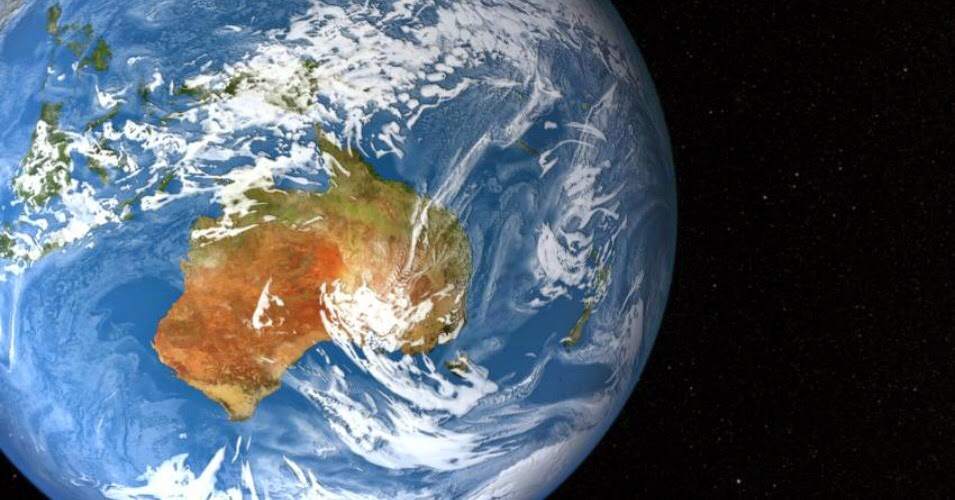
The conclusion that the world's dominant economic model—a globalized form of neoliberal capitalism, largely based on international trade and fueled by extracting and consuming natural resources—is the driving force behind planetary destruction will not come as a shock, but the model's detailed description of how this has worked since the middle of the 20th century makes a more substantial case than many previous attempts. (Photo: NASA)

Humanity's rapacious growth and accelerated energy needs over the last generation—particularly fed by an economic system that demands increasing levels of consumption and inputs of natural resources—are fast driving planetary systems towards their breaking point, according to a new pair of related studies.

“It is difficult to overestimate the scale and speed of change. In a single lifetime humanity has become a geological force at the planetary-scale.” —Prof. Will Steffen

Prepared by researchers at the Stockholm Resilience Centre, the first study looks specifically at how “four of nine planetary boundaries have now been crossed as a result of human activity.” Published in the journal Nature on Thursday, the 18 researchers involved with compiling evidence for the report—titled 'Planetary Boundaries 2.0'—found that when it comes to climate change, species extinction and biodiversity loss, deforestation and other land-system changes, and altered biogeochemical cycles (such as changes to how key organic compounds like phosphorus and nitrogen are operating in the environment), the degradation that has already take place is driving the Earth System, as a whole, into a new state of imbalance.

“Transgressing a boundary increases the risk that human activities could inadvertently drive the Earth System into a much less hospitable state, damaging efforts to reduce poverty and leading to a deterioration of human well-being in many parts of the world, including wealthy countries,” said Professor Will Steffen, a researcher at the Centre and the Australian National University, Canberra, who was lead author for both studies.

In addition to the four boundaries that have already been crossed, the study looked five other ways in which the planetary systems are under assault by human activity. They include: stratospheric ozone depletion; ocean acidification; freshwater use; atmospheric aerosol loading (microscopic particles in the atmosphere that affect climate and living organisms); and the introduction of novel entities into ecosystems (e.g. organic pollutants, radioactive materials, nanomaterials, and micro-plastics).

“I don't think we've broken the planet but we are creating a much more difficult world,” Sarah Cornell, another report author, told Reuters.

In this interview with Wired last year, Johan Rockström, executive director of the Stockholm Resilience Centre, described the idea about planetary boundaries in details:

Related to the findings of the first study, the second report examines what it calls the “Great Acceleration” and is an assessment of the speed and influence that specific factors have had in damaging the planetary systems described in Planetary Boundaries 2.0. Using a series of indicators, the study compares the relationship, over time, between 12 'socio-economic factors'—including economic growth (GDP); population; foreign direct investment; energy consumption; and water use—on one side with 12 'Earth system trends'—like the carbon cycle; the nitrogen cycle and biodiversity—on the other.

Using what it calls a “planetary dashboard,” the research charts the spread and speed of human activity from the start of the industrial revolution in 1750 to 2010, and the subsequent changes in the Earth System – e.g. greenhouse gas levels, ocean acidification, deforestation and biodiversity deterioration. The analysis found that increased human activity—and “predominantly the global economic system”—has unseated all other factors as the primary driver of change in the Earth System, which the report describes as “the sum of our planet's interacting physical, chemical, biological and human processes.” The most striking, i.e. “accelerated,” changes to that system have occurred in the last sixty years.

“It’s clear the economic system is driving us towards an unsustainable future and people of my daughter’s generation will find it increasingly hard to survive. History has shown that civilisations have risen, stuck to their core values and then collapsed because they didn’t change. That’s where we are today.” —Prof. Will Steffen”It is difficult to overestimate the scale and speed of change. In a single lifetime humanity has become a geological force at the planetary-scale,” said Steffen, who also led the Acceleration study.

The conclusion that the world's dominant economic model—a globalized form of neoliberal capitalism, largely based on international trade and fueled by extracting and consuming natural resources—is the driving force behind planetary destruction will not come as a shock, but the model's detailed description of how this has worked since the middle of the 20th century makes a more substantial case than many previous attempts.

“When we first aggregated these datasets, we expected to see major changes but what surprised us was the timing. Almost all graphs show the same pattern. The most dramatic shifts have occurred since 1950. We can say that around 1950 was the start of the Great Acceleration,” says Steffen. “After 1950 we can see that major Earth System changes became directly linked to changes largely related to the global economic system. This is a new phenomenon and indicates that humanity has a new responsibility at a global level for the planet.”

The paper makes a point to acknowledge that consumption patterns and the rise of what has become known as the Anthropocene Era does not fall equally on the human population and its examination of the economic system which is underpinning planetary destruction is one rife with inequality, in which certain populations consume at vastly higher levels than others.

According to the report, “The new study also concludes that the bulk of economic activity, and so too, for now, the lion's share of consumption, remain largely within the OECD countries, which in 2010 accounted for about 74% of global GDP but only 18% of the global population. This points to the profound scale of global inequality, which distorts the distribution of the benefits of the Great Acceleration and confounds international efforts, for example climate agreements, to deal with its impacts on the Earth System.”

A worrying trend, notes the paper, is how a growing global middle class—exemplified by those in the BRICS nations of Brazil, Russia, India, China, and South Africa—is an increasing threat to the planet as the consumer mindset established in the OECD nations, particularly the U.S., spreads.

In an interview with the Guardian, Steffen spoke clearly about the overall impacts of the two new studies as he sounded the alarm over humanity's trajectory. “People say the world is robust and that’s true, there will be life on Earth, but the Earth won’t be robust for us,” he said. “Some people say we can adapt due to technology, but that’s a belief system, it’s not based on fact. There is no convincing evidence that a large mammal, with a core body temperature of 37C, will be able to evolve that quickly. Insects can, but humans can’t and that’s a problem.”

“It’s clear the economic system is driving us towards an unsustainable future and people of my daughter’s generation will find it increasingly hard to survive. History has shown that civilisations have risen, stuck to their core values and then collapsed because they didn’t change. That’s where we are today.”

What increasing amounts of strong evidence shows, he said, is that that there “tipping points” that the human race should simply not “want to cross.” More

This work is licensed under a Creative Commons Attribution-Share Alike 3.0 License


Global warming reduces wheat production markedly if no adaptation takes place

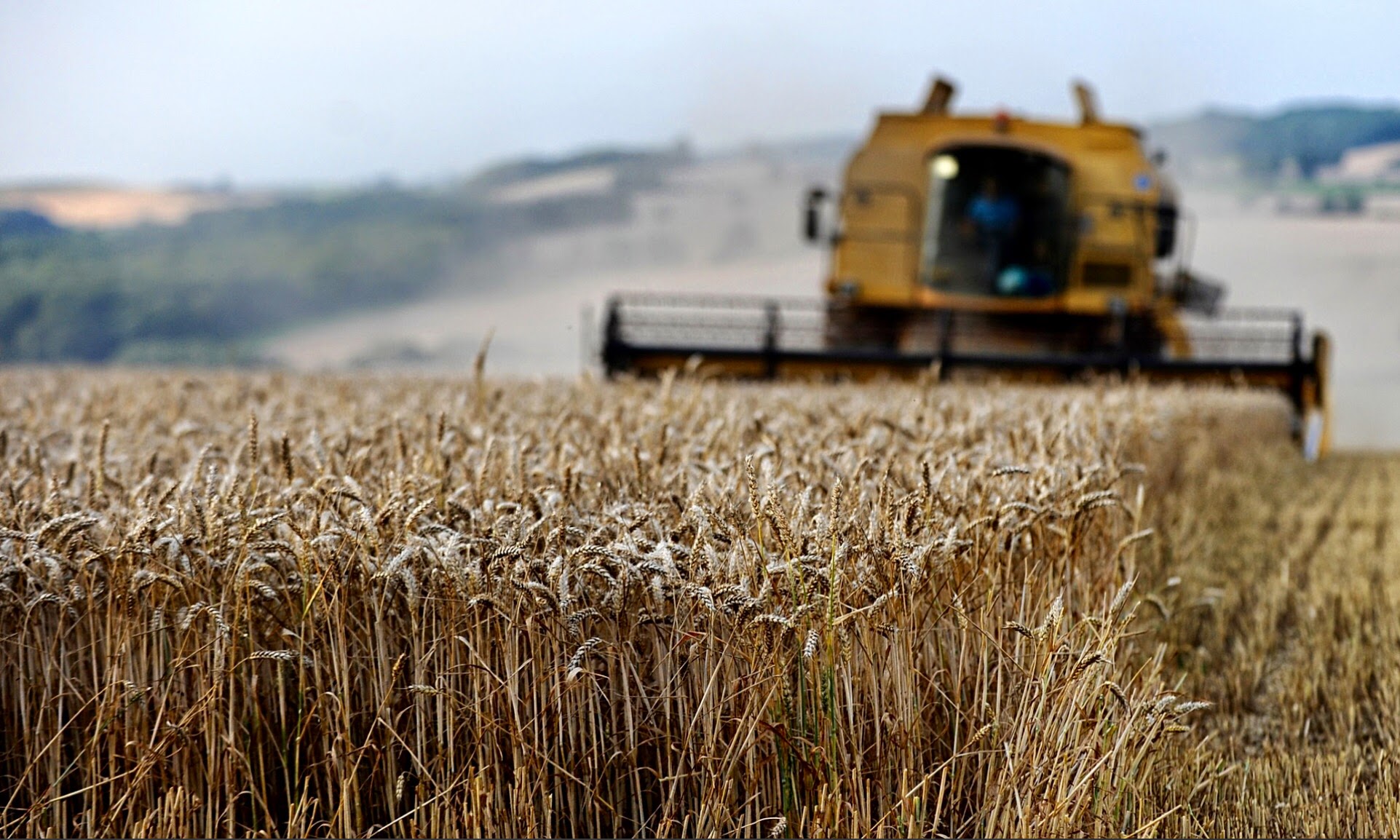
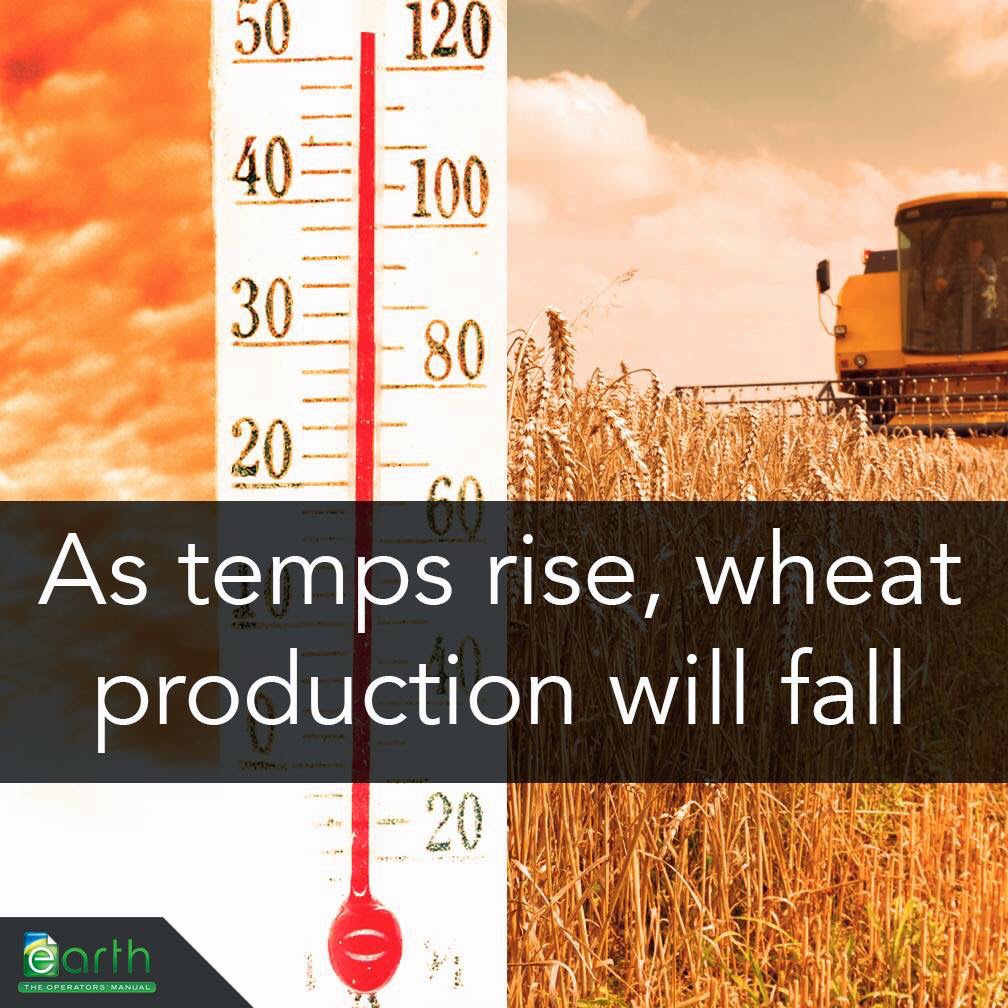
Future global wheat harvest is likely to be reduced by six per cent per each degree Celsius of local temperature increase if no adaptation takes place. Worldwide this would correspond to 42 million tons of yield reduction, which equals a quarter of current global wheat trade, experts warn.

Future global wheat harvest is likely to be reduced by six per cent per each degree Celsius of local temperature increase if no adaptation takes place. Worldwide this would correspond to 42 million tons of yield reduction, which equals a quarter of current global wheat trade.

Wheat plays an important role in feeding the world, but climate change threatens its future harvest. Without adaptation, global aggregate wheat production is projected to decline on average by six per cent for each additional degree Celsius temperature increase. Worldwide this would correspond to 42 million tons yield reduction for one 1°C global warming.

This result has been generated by an international research consortium to which Natural Resources Institute Finland (previously known as MTT Agrifood Research Finland) substantially contributed. The results were published online in the high impact journal Nature Climate Change.

Losses expected throughout the world

The researchers found out that in response to global temperature increases, grain yield declines are predicted for most regions in the world. Considering present global production of 701 million tons of wheat in 2012, this means a possible reduction of 42 million tons per one degree Celsius of temperature increase.

“To put this in perspective, the amount is equal to a quarter of global wheat trade, which reached 147 million tons in 2013. In addition, wheat yield declines due to climate change are likely to be larger than previously thought and should be expected earlier, starting even with small increases in temperature,” points out Prof. Dr. Reimund Rötter from Natural Resources Institute Finland.

“Therefore it is essential to understand how different climate factors interact and impact food production when reaching decisions on how to adapt to the effects of climate change.”

Increased variability weakens stability in grain supply

In the study, the researchers systematically tested 30 different wheat crop models against field experiments in which growing season mean temperatures ranged from 15 °C to 26 °C. The temperature impact on yield decline varied widely across field test conditions. In addition, year-to-year variability increased at some locations because of greater yield reductions in warmer years and lesser reductions in cooler years.

“Increased yield variability is critical economically as it could weaken regional and global stability in wheat grain supply and food security, amplifying market and price fluctuations, as experienced during recent years,” says Professor Rötter.

In its recent Assessement Report (AR5), the Intergovernmental Panel on Climate Change (IPCC) projects that global mean temperature may rise up to 5 °Celsius by the end of this century.

“Timely and adequate adaptation, such as cultivating more heat-tolerant wheat cultivars could substantially reduce climate change induced risks,” Rötter continues.

Unique and multi-locational study

Agrosystems modellers, Dr. Fulu Tao, Dr. Taru Palosuo and Prof. Dr. Reimund Rötter from Natural Resources Institute Finland participated to this collaborative research under the umbrella of AgMIP, The Agricultural Model Intercomparison and Improvement Project coordinated by Columbia University, NASA and University of Florida, USA. Apart from Finland, scientists from Germany, France, Denmark, Netherlands, Spain, UK, Columbia, Mexico, India, China, Australia, Canada and USA participated in this global study.

In a unique study set-up, the scientists first compared simulation results from a large ensemble of wheat crop growth models with experimental data, including artificial heating experiments and multi-locational field trials. They found that discrepancies between observation and simulation varied among individual models, whereby deviations increased with increasing growing season temperature.

Most reliable estimates of observed yields over the range of temperature regimes were achieved by using the multi-model ensemble median estimate. Based on these test results, scientists subsequently applied the multi-model ensemble to estimate wheat yields under increasing temperature in the main cultivation areas of the world. More


On a tropical island, fossils reveal past — and possible future — of polar ice

The balmy islands of Seychelles couldn’t feel farther from Antarctica, but their fossil corals could reveal much about the fate of polar ice sheets.

About 125,000 years ago, the average global temperature was only slightly warmer, but sea levels rose high enough to submerge the locations of many of today’s coastal cities. Understanding what caused seas to rise then could shed light on how to protect those cities today.

The balmy islands of Seychelles couldn’t feel farther from Antarctica, but their fossil corals could reveal much about the fate of polar ice sheets.

About 125,000 years ago, the average global temperature was only slightly warmer, but sea levels rose high enough to submerge the locations of many of today’s coastal cities. Understanding what caused seas to rise then could shed light on how to protect those cities today.

By examining fossil corals found on the Indian Ocean islands, University of Florida geochemist Andrea Dutton found evidence that global mean sea level during that period peaked at 20 to 30 feet above current levels. Dutton’s team of international researchers concluded that rapid retreat of an unstable part of the Antarctic ice sheet was a major contributor to that sea-level rise.

“This occurred during a time when the average global temperature was only slightly warmer than at present,” Dutton said.

Dutton evaluated fossil corals in Seychelles because sea level in that region closely matches that of global mean sea level. Local patterns of sea-level change can differ from global trends because of variations in Earth’s surface and gravity fields that occur when ice sheets grow and shrink.

In an article published in the January 2015 issue of Quaternary Science Reviews, the researchers concluded that while sea-level rise in the Last Interglacial period was driven by the same processes active today — thermal expansion of seawater, melting mountain glaciers and melting polar ice sheets in Greenland and Antarctica — most was driven by polar ice sheet melt. Their study, partially funded by the National Science Foundation, also suggests the Antarctic ice sheet partially collapsed early in that period.

“Following a rapid transition to high sea levels when the last interglacial period began, sea level continued rising steadily,” Dutton said. “The collapse of Antarctic ice occurred when the polar regions were a few degrees warmer than they are now — temperatures that we are likely to reach within a matter of decades.”

Several recent studies by other researchers suggest that process may have already started.

“We could be poised for another partial collapse of the Antarctic ice sheet,” Dutton said. More

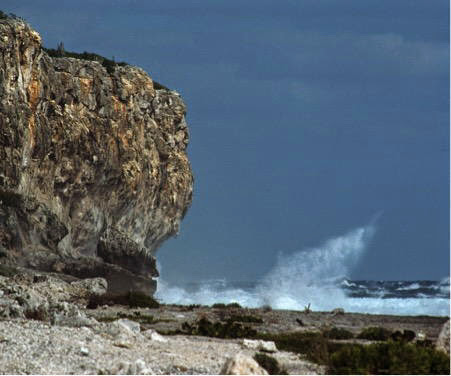
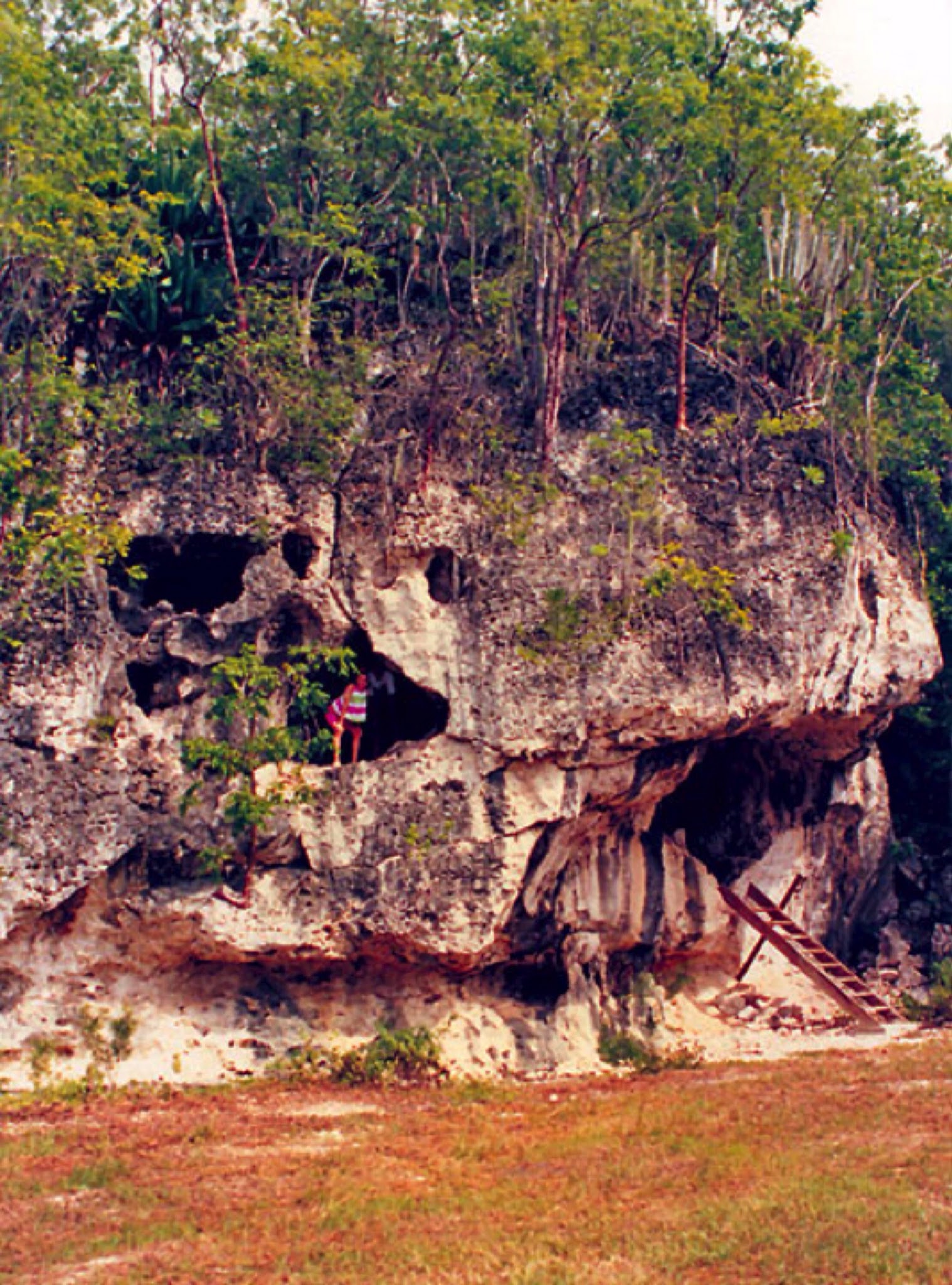
Photos above from Cayman Brac, Cayman Islands.


Citing Next Generations, Lawsuits Demand Courts Recognize ‘Mind-Blowing’ Climate Impacts

By caving to industry pressures, environmental regulatory agencies are failing to uphold their obligation to future generations, declared Mary Christina Wood, the author pushing a new legal framework to fight global warming, on the final episode of Moyers & Company.

Wood, a University of Oregon law professor who wrote Nature's Trust: Environmental Law for a New Ecological Age (2013; Cambridge University Press), advocates an idea called “atmospheric trust litigation,” which takes the fate of the Earth into the courts, arguing that the planet’s atmosphere—its air, water, land, plants, and animals—are the responsibility of government, held in its trust to insure the survival of all generations to come.

“If this nation relies on a stable climate system, and the very habitability of this nation and all of the liberties of young people and their survival interests are at stake the courts need to force the agencies and the legislatures to simply do their job.”
—Mary Christina Wood, University of Oregon Law School

“The heart of the approach is the public trust doctrine,” she told her host, longtime journalist and political commentator Bill Moyers. “And it says that government is a trustee of the resources that support our public welfare and survival. And so a trust means that one entity or person manages a certain wealth, an endowment, so to speak, for the benefit of others. And in the case of the public trust, the beneficiaries are the present and future generations of citizens.”

The theory underpins lawsuits filed by Our Children's Trust, which ask for the courts to order state and local governments and agencies to act more aggressively to bring down carbon emissions.

“[I]f this nation relies on a stable climate system, and the very habitability of this nation and all of the liberties of young people and their survival interests are at stake the courts need to force the agencies and the legislatures to simply do their job,” Wood explained.

Environmental laws passed in the 1970s “held a lot of promise” decades ago, she said but they've lost what little power they once possessed. Wood continued:

Americans thought they had solved the problem by getting these laws passed. What they didn't realize was that industries got inside the agencies through various means, through campaign contributions, through pressure on the system over and over again. And so one thing we have to keep in mind is we're nearing the end of our resources. And there are laws of nature that we have to comply with.

And those laws are supreme. And they determine whether we will survive on this planet. And they will determine the future conditions for our children. And so right now, our environmental laws are out of whack with the laws of nature. They are allowing destruction, whereas they should be structuring society to create a balance with the natural systems that support our lives.

And Wood disagreed with those who argue that climate change is a political issue to be dealt with outside the courts.

“Climate is not just an environmental issue,” she said. “This is a civilizational issue. This is the biggest case that courts will get in terms of the potential harm in front of them, the population affected by that harm, and in terms of the urgency. Climate is mind-blowing. It can't be categorized any longer as an environmental issue.”

In a related feature earlier this year, Moyers spoke to a member of the next generation who is a co-plaintiff in one of the atmosphere trust litigation lawsuits being spearheaded by Our Children’s Trust.

“Public trust states that the government is a trustee to protect these natural resources that every living species, including humans, rely upon for our survival, for our well-being,” 18-year-old Kelsey Juliana told Moyers at the time. “And so the public trust says, government, we hold you, we trust you to put these resources, air, water, land, you know, to protect them for this generation and for many generations down the line.” More


Behind the veil of the Islamic State is a war for water

A little known fact of the war in Syria is that it started at the end of the worst drought in Syrian history, a biblical drought which forced over 1 million farmers into the cities.

Pulitzer Prize-winner Thomas L. Friedman interviewed Syrian refugees and farmers in Syria about the link between this drought and the start of the civil war. He comes to the conclusion that the drought certainly played some role and was probably a key tipping point for a bad situation to turn into a full scale war. In the documentary “Years of living dangerously” we see how wiki-leaked diplomatic cables and high level US officials such as Condoleezza Rice acknowledge this link.

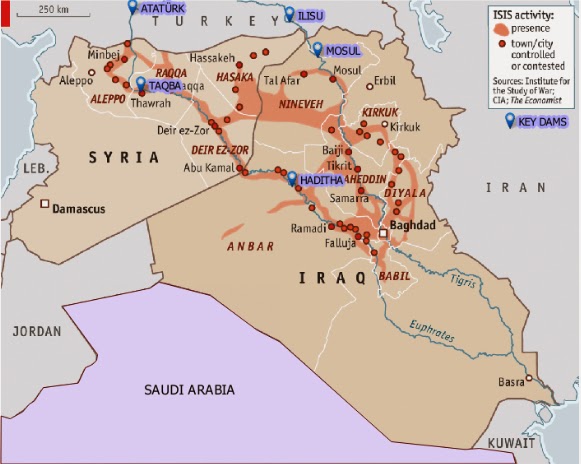
But there’s a lot more happening to explain why behind the veil of a quest for an Islamic State (IS), there’s also a war for water in Syria and Iraq. Making the plight of citizens worse is the continued targeting of water supply networks by both regime and opposition forces, which have attacked strategic lifelines, such as water channels, to gain control of territory and to punish and put pressure on their opponents.

Opening the flood gates …

The Islamic State’s quest for hydrological control began in Syria, when it captured the Tabqa Dam in 2013. Rebel-held areas had been systematically denied electricity by President Bashar al-Assad’s forces in their effort to turn the population against the insurgency. The Tabqa Dam was built more than 40 years ago with Russian help and aimed to make Syria self-sufficient in energy production. Behind the dam is Lake Assad, which provides millions of Syrians with drinking water and is a vital irrigation source for farms. After the capture of the dam, IS opened the flood-gates to get maximum electricity supply for the areas they control and win favour with the local population. As a result, the lake dropped six metres, to a record low in May, which worsened the plight of millions of already destitute Syrians as severe water cuts began to hit Aleppo province.

Conflict over the water flowing though the Euphrates and Tigris is of course nothing new and predates religious wars. They were the first rivers to be used for large scale irrigation, in the region once known as the Fertile Crescent. Somewhere between 1720 and 1684 BC, a grandson of Hammurabi dammed the Tigris to prevent the retreat of rebels led by Iluma-Ilum, who declared the independence of Babylon. The Euphrates was already used as a weapon somewhere around 2500 BC, in another fight for Babylon, when the king of Umma cut the banks of irrigation canals alongside the Euphrates dug by his neighbor, the king of Girsu.

The Euphrates and Tigris are the two major and longest rivers in the Middle East. They both originate in Turkey. The Euphrates flows through Syria and Iraq to reach the Persian Gulf while the Tigris flows through Kurdish territory, meeting up with the Euphrates in the Southern Mesopotamian Marshes of Iraq. There are currently at least 46 dams in the Tigris-Euphrates basin, with at least 8 more planned or under construction. These dams have become key pieces of geo-political control in the region.

… and shutting down the flows

While one act of war is opening the flood gates, another is closing them. In 1974, Iraq threatened to bomb the same Tabqa Dam in Syria, alleging that the dam had reduced the flow of Euphrates River water to Iraq. But between then and now, Turkey, through its position upstream, has taken over as the most powerful regional commander of water, by completing the giant Ataturk Dam. In 1990 Syria and Iraq protested that Turkey now has a weapon of war: by closing the gates they could leave them dry. They had good reason to protest. In mid-1990 Turkish president Turgut Özal threatened to restrict water flow to Syria to force it to withdraw support for Kurdish rebels operating in southern Turkey.

In April 2014, the Islamic State blamed the low water levels in Lake Assad to Turkey’s closure of the Ataturk Dam. Sources found by Al Jazeera said that these claims are disputed. But even if the allegations are only partly true: they were used by the Islamic State to issue threats to ‘liberate Istanbul’, if that was necessary. So while Turkey, IS and Assad fight over water, millions of ordinary Syrians and Iraqi’s see their water levels drop dramatically. Not just by a new drought, with rainfall down by 50-85 percent since October 2013, but mostly due to a power struggle.

Tensions over water control in the region are set to heat up further if Turkey completes the Ilisu Dam on the Tigris River near the border of Syria. The Ilisu Dam will generate 1,200 MW and is part of the vast and ambitious Southeastern Anatolia Project, known as GAP after its Turkish title (Guneydogu Anadolu Projesi): a network comprising 22 dams and 19 power plants. The Ilisu reservoir will flood 52 villages and 15 towns, including Hasankeyf, a Kurdish town of 5,500 people, which is the only town in Anatolia that has survived since the Middle Ages and is under archaeological protection. It will displace approximately 16,000 people in the troubled Kurdish region.

The World Bank (WB), the British construction company Balfour Beatty and the Italian company Impreglio have all withdrawn from the problematic project. So have international funds and export credit from Austria, Germany and Switzerland. However, the project is currently funded by Turkish banks. Iraq and also Syria will be the most heavily impacted if the dam and others go through, with the most extreme projections holding that, owing to a combination of climate change and upstream dam activity, the Tigris and Euphrates rivers won’t have sufficient flow to reach the sea by as early as 2040.

If you live in Syria or Iraq and the water irrigating your field stops coming you might join the ranks of any army promising to attack those who kept the water for themselves – no matter if they tell you the truth or not. As is often the case in conflicts or epidemics it is not the facts themselves that count most but what people believe to be the facts. Those who can convince it’s the enemies fault that there’s not enough water will have the key to where the hearts and minds of the people will go to – no matter what the facts are.

The US finally finds a Weapon of Mass Destruction in Iraq

The Tabqa Dam is not the only dam attacked by IS. They are also trying to take the Haditha Dam, the second-largest in Iraq, raising the possibility of catastrophic damage and flooding. On Sunday, the US was bombing IS positions close to the dam. The IS militants are also fighting for control of the Euphrates River Dam, about 120 miles northwest of Baghdad and government forces were fighting to halt their advance. Insurgents from IS seized the Falluja Dam in Iraq in February and closed the floodgates to cause upstream flooding and to cut downstream water supply. Some 40.000 people were displaced just to flood the area around the city of Falluja to force government troops to retreat and lift a siege, while cutting water supplies and hydroelectricity generation for other parts of the country. All that was peanuts compared to what IS did next.

On August 7 IS captured the 1GW Mosul Dam on the Tigris – sending shock waves through Bagdad, Kuwait and the US. Whoever controls the Mosul Dam, the largest in Iraq, controls most of the country’s water and power resources. Located on the Tigris River upstream of Mosul, the dam, 3.6 km long and with 320 MW of capacity daily, formerly known as the Saddam dam, was built beginning in 1980 at a cost of 1.5$ billion USD, to bolster the regime during the Iran-Iraq war by a German-Italian consortium that was led by Hochtief Aktiengesellschaft. Its construction submerged many archaeological sites in the region yet more troubling is that because the dam was constructed on a foundation of soluble gypsum, it requires continuous grouting of the dam’s foundation to promote stability. Due to the engineering problems it presents it has been described recently by US engineers as “the most dangerous dam in the world.” And that was before the “most dangerous terror group ever” captured it.

A senior U.S. administration official said that “The failure of the Mosul Dam could threaten the lives of large numbers of civilians, threaten U.S. personnel and facilities – including the U.S. Embassy in Baghdad – and prevent the Iraqi government from providing critical services to the Iraqi populace,” (Source: Reuters). A 2006 U.S. Army Corps of Engineers report obtained by the Washington Post said the dam, which blocks the Tigris and holds 12 billion cubic meters of water, could flood two cities killing over a half a million people if it were destroyed or collapsed. The tsunami going to Mosul, a city of 1.7 million people, can be 20m high if the dam breaks with a full reservoir.

But even without a catastrophic failure, the dam is already at the epicenter of the war. Soon after the Islamic State captured the Mosul Dam they cut supplies to some villages in the north of the country that have not joined their cause. Recapturing this instrument of war was a sufficient reason for US forced to deploy air power to support Kurdish forces to recapture the dam. Saving the Yazidis from their mountain captured most media attention, but a key reason for the US to bomb Iraqi soil for the first time since 2011 was the fact that IS took the Mosul Dam. After bombing IS positions for several days, freshly re-equipped Kurdish fighters recently regained control of the dam.

Mega Dams & Water Management Practices

The importance of hydro-infrastructure in these battles and how it can be wielded firstly underlines the need for a serious re-appraisal of water management practices. Big dams (with funding from Multilateral agencies such as the WB, national and regional development banks, private equity and pension funds as well as from the Clean Development Mechanism, etc.) cause large scale displacement of populations, are ecologically destructive, wash away any other source of livelihood, and often saddle countries with debt while performing well below planned outputs as regards electricity generation. Moreover, compounded by climate change, contemporary ecological crises are leading to ever more conflict over trans-boundary water rights, such as for example between Ethiopia and Egypt, which are also on the verge of war over the construction of the Grand Renaissance and Gibe 3 dams, which would become Africa’s tallest. The world’s Big Dam Fan Club should take note of what has just happened in Syria and Iraq and realise that once disaster hits, hatred will not go to any God but to those who constructed the weapon of mass destruction. Water, rather than oil, is shaping up to be the key strategic resource in the region. More