

Free FD Documentary – Engineering
ocean
Renewable energy passes 30% of world’s electricity supply | Renewable energy | The Guardian
Renewable energy accounted for more than 30% of the world’s electricity for the first time last year following a rapid rise in wind and solar power, according to new figures.
A report on the global power system has found that the world may be on the brink of driving down fossil fuel generation, even as overall demand for electricity continues to rise.
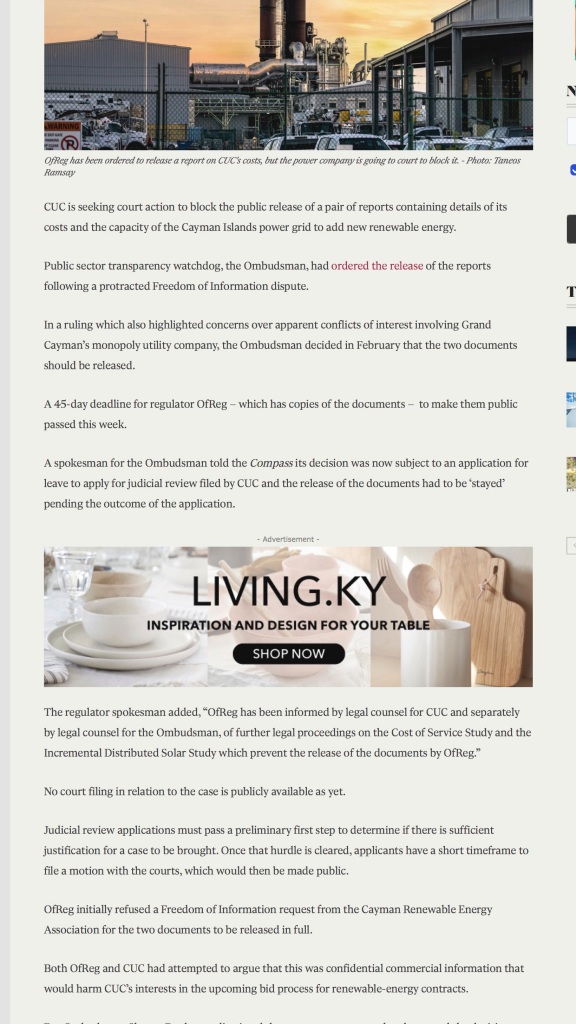
Caribbean Utilities Company (CUC) seeks court order to block release of costs report
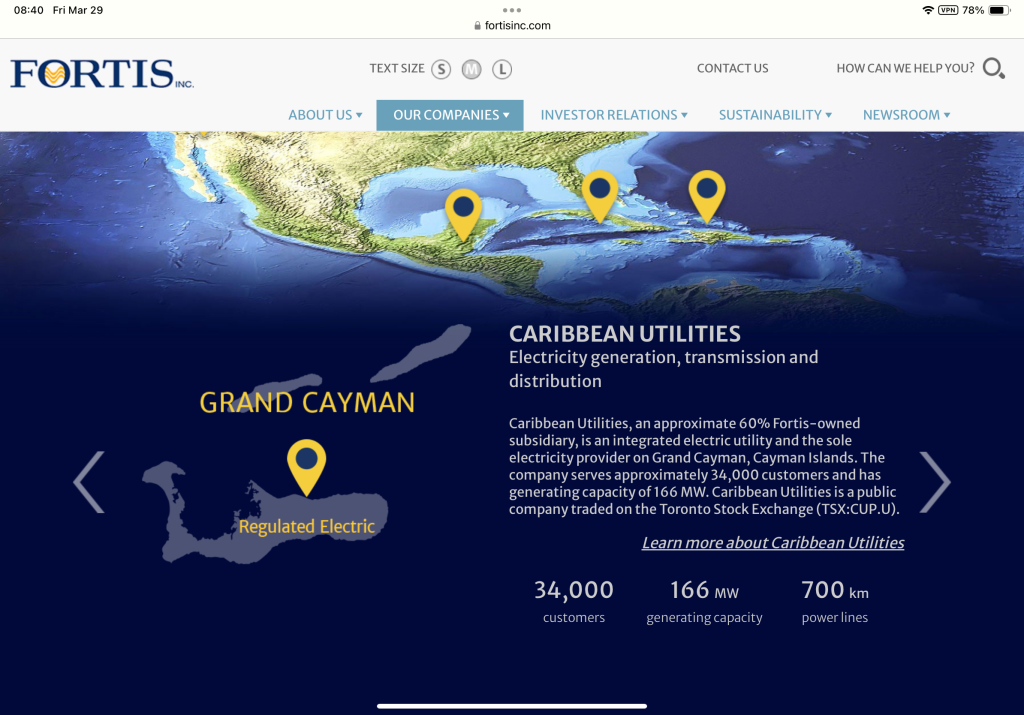
I shall attempt to unpack the Caribbean Utilities Companies situation here in the Cayman Islands, as well that of its majority shareholder Fortis Inc of Canada. https://www.fortisinc.com which owns at least 60% of Caribbean Utilities Company Ltd.
“Realise therefore, that over half of every dollar of Caymanians hard earned money ends up in the pockets of Fortis Inc. Shareholders.”
In fact, the total foreign ownership of Caribbean Utilities Company is in the vicinity of 81%.
FortisBC will Invest Close to $700 Million to Reduce GHG Emissions and Lower Energy Costs for Customers
Reducing energy use is a key pillar in the company’s goal to lead the clean energy transformation in BC Canada.
FortisBC will invest a record CA$694.8 million to help customers reduce their energy use over the next four years, a key pillar in the company’s goal to lead the clean energy transformation in B.C. The investment will allow FortisBC to shift its efforts to more advanced energy-efficiency initiatives, build new energy-saving programs and work with Indigenous communities to develop targeted programs for their unique needs.
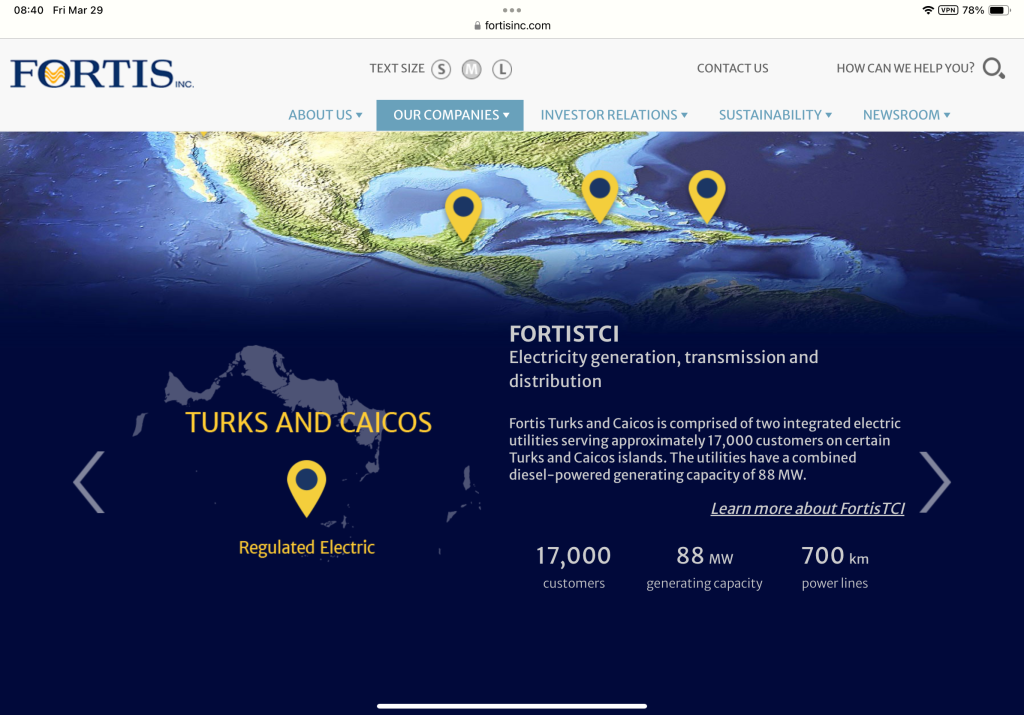
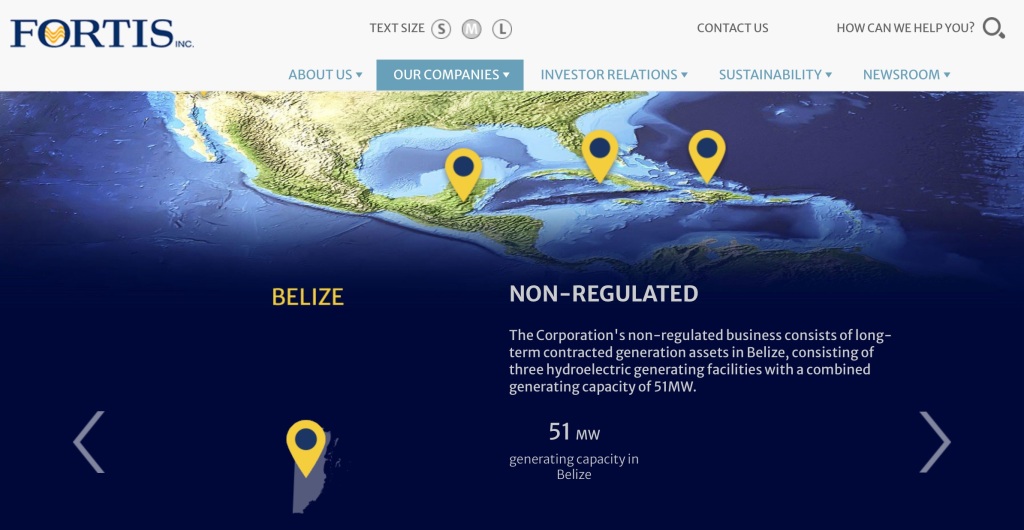
It is indeed interesting to note the difference between Fortis Inc’s policies in Canada and their regional policies in The Cayman Islands, The Turks & Caicos Islands and Belize.
In British Columbia (BC) Canada FortisBC will invest CA$694.8 million to help customers reduce their energy use over the next four years, a key pillar in the company’s goal to lead the clean energy transformation in B.C.
In the Cayman Islands however Caribbean Utilities Company is seeking court action to block the public release of a pair of reports containing details of its costs and the capacity of the Cayman Islands power grid to add new renewable energy.
Public sector transparency watchdog, the Ombudsman, had ordered the release of the reports following a protracted Freedom of Information dispute.
In a ruling which also highlighted concerns over apparent conflicts of interest involving Grand Cayman’s monopoly utility company, the Ombudsman decided in February that the two documents should be released.
The differences in policy between the way customers are treated by Fortis Inc in BC Canada, and how they are treated in the Caribbean by their subsidiary Caribbean Utilities Company Ltd (as well as Fortis Inc’s Belize and Turks & Caicos operations) leads to only one possible conclusion which is that their Cayman Islands operation is exceedingly profitable, and that they will do everything possible to maintain their monoply. The fact that the cost of living in the Cayman Islands is the highest in the world is obviously meaningless to the management of Caribbean Utilities Company as they are at heart Capitalists whose only care is Fortis Inc shareholder profits.
Heat-resilient “super corals”: Nature Seychelles setting up aquaculture farm for future corals
Heat-resilient “super corals”: Nature Seychelles setting up aquaculture farm for future corals

Nature Seychelles, a nonprofit organisation, is planning to set up a land-based aquaculture coral farm on the island of Praslin to produce more heat-resilient corals, which are better engineered to adapt to continuously rising ocean temperatures.
The organisation’s chief executive, Nirmal Shah, told SNA that such a project will be more advantageous than an ocean-based nursery or farm.
“By growing corals in an aquaculture facility, we will be able to produce more corals and faster. We can also produce corals that we have experimented with. We want to train the corals to become more resilient to heat as this is the problem corals face at the moment,” said Shah.
Corals all over the world are increasingly dying due to the continuous rise of sea temperatures as a result of climate change.
Shah explained that it is more urgent for Seychelles matters as waters of the western Indian Ocean are warming up at a faster rate, causing corals to bleach faster.
When corals bleach, they expel their symbiotic partners, types of photosynthetic algae, causing the corals to be deprived of their nutrients and, as such, die off.
Seagrass restoration speeds recovery of ecosystem services
Seagrass restoration speeds recovery of ecosystem services — ScienceDaily
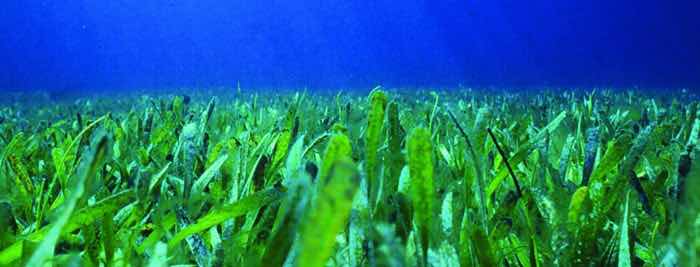
The reintroduction of seagrass into Virginia’s coastal bays is one of the great success stories in marine restoration. Over the past two decades, scientists and volunteers have broadcast more than 70 million eelgrass seeds within 4 previously barren seaside lagoons, spurring a natural expansion that has so far grown to almost 9,000 acres — the single largest eelgrass habitat between North Carolina and Long Island Sound.
Now, a long-term monitoring study shows this success extends far beyond a single species, rippling out to engender substantial increases in fish and invertebrate abundance, water clarity, and the trapping of pollution-causing carbon and nitrogen.
Published in the October 7th issue of Science Advances, the study was led by Dr. Robert “JJ” Orth of the Virginia Institute of Marine Science, along with VIMS colleagues Mark Luckenbach, Ken Moore, Richard Snyder, and David Wilcox.
Ocean-based power plant previewed in North Side
North Side residents got a preview last week of a proposed electric power plant that will be moored off their coastline if its proponents get the necessary approvals.

Design for 25 Mw OTEC Plant
District MLA Ezzard Miller invited representatives of OTEC International LLC to the Craddock Ebanks Civic Centre on Thursday night to explain the ocean thermal power project to his constituents.
Eileen O’Rourke, the company’s chief operating officer, outlined the process by which heat in the upper layers of sea water can be turned into electricity. The process is known as Ocean Thermal Energy Conversion.
After years of research and experimentation, the technology to process this source of renewable energy is now commercially viable and a proposal has been made to be a wholesale supplier of electricity to Caribbean Utilities Company, Ms. O’Rourke said. Talks have already been held with the Caribbean Utilities Company and government officials.
The production plant would be on a purpose-built barge, or floating power platform, 140 feet wide and 200 feet long and moored less than a mile offshore. Most of the plant would be about 16 feet above the water line, with a small part of it rising another eight feet.
The structure would include pipes to circulate the sea water, moorings to the sea floor and a cable that would carry the generated power under the beach and under the road to a sub-station on land. The sub-station would connect to CUC, Ms. O’Rourke explained.
Meetings have already been held with such entities as the Department of Environment, Public Works and the Environmental Assessment Board. The plan is for necessary permits to be applied for starting in October.
“We hope to get all permits and approvals in the first quarter of 2015,” Ms. O’Rourke said.
The target date for operation of the offshore power plant is the first quarter of 2017.
Pilar Bush, managing director of AtWater Consulting, confirmed that an island-wide public consultation will be held later this month.
OTEC International chose Grand Cayman for its first commercial system because CUC was “an open and willing partner” and because the Cayman government wants to move away from relying on fossil fuels, Ms. O’Rourke said. She noted that one power platform would produce 6.25 megawatts of electricity and that quantity would eliminate the need for 2.9 million gallons of imported diesel fuel annually. CUC’s average production of electricity is around 70 megawatts, it was noted.
Another reason Grand Cayman was chosen was the “excellent sea conditions” – including water temperatures and deep water proximity to the shoreline. There is a well-documented history of local ocean conditions, including extreme storm conditions. North Side was chosen as the best location, she said.
In response to questions from the audience, company representatives referred to job opportunities and the development of safety protocols, along with design features for the protection of marine life.
Start-up costs for the building and installation of the power platform will be expensive, Ms. O’Rourke indicated, but sea water as a source of renewable energy means low operating costs and protection of the consumer from the volatility of oil prices.
Development of the requisite technology was funded by the Abell Foundation, a non-profit organization based in Maryland, USA since 1953, said Ms. O’Rourke, who is also treasurer of the foundation. One of its objectives is supporting innovative efforts to solve systemic social, economic and environmental problems.
In 2000, The Abell Foundation acquired an exclusive license to the OTEC technology developed over decades by Sea Solar Power’s J. Hilbert Anderson and his son James Anderson. In 2001, Abell established a limited liability company with the mission bring OTEC to commercialization. The company became OTEC International LLC (OTI). Bringing the economical, renewable energy solution of ocean thermal energy conversion to developed and emerging markets is important to both OTI and Abell. More
 © 2014
 Democracy & Good Governance