

Forget the last 10,000 years: they hhave been really, really, abnormal for most populations within our species.
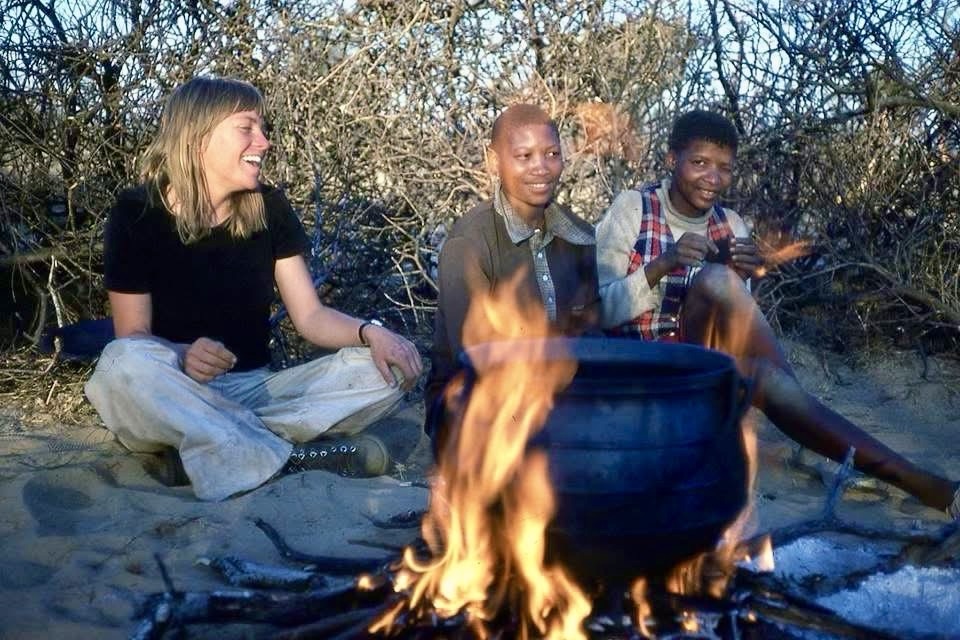
I lived among hunter-gatherers to learn some lessons from them. This is what they taught me….
For those of you interested in understanding human biological evolution, here is my advice: Forget the last 10,000 years: they hhave been really, really, abnormal for most populations within our species. They have demonstrated the extremes to which our minds and bodies can be taxed and pushed into adapting, but conditions for most humans have not been optimal for a long time, and are, alas, becoming less so. The levels of violence, deceit, hoarding, inter-group warfare, internal rebellion, frequent starvation, rates of infection, misery, and mental illness are, I suggest, indicative of a species on the very edge of its ability to cope.
The very fact that we all recognize how nice it is to not be poor, to have opportunities for interesting work, and that we find great joy in expanding our knowledge about the origins of the universe, of life, and of the way the life support system on the planet works, is not irrelevant. However, we all know perfectly well that MOST of humanity is living through incredible stress and insecurity.
What we need to acknowledge is that there is a terrible price paid, for that little scum of prosperity, happiness, and wonder, that only a few of us get, out of being part of a “civilization”.
Most of humanity pays that price but never gets much glimpse of the prosperity, the happiness, or the wonder. It never used to be this way. Maybe we did not know so much, but everyone knew at least some of whatever there was to know. That was fair. It was just. It feels to me that it would be right if this were true today — it should still be that way.

 Democracy & Good Governance