

CNN-News18
sids
The Cayman Islands needs to reexamine their national policies for the future
Full Speech: Singapore PM Wong Challenges America Amid Trump Tariff War: ‘Will Make Our Own Destiny’
Hindustan Times
MUST SEE: Fearless PM Mia Motley Sends A Warning To US Government To Leave Jamaica
Elly From Africa
“More Things in Heaven and Earth” Yale University UFO/UAP Teach-In with JimGarrison (Full Lecture)
New Paradigm Institute
The Power of Working as One: Connecting the Small Island Developing States
United Nations Development Programme
Small Island Developing States (SIDS) are facing multifaceted challenges caused by climate and debt-related crises while still rebuilding from the aftermath of the COVID-19 pandemic. The SIDS4 Conference in Antigua and Barbuda in late May 2024 has been another opportunity for a sharing, listening, and learning process among SIDS to amplify their voices. This was the fourth such conference in the last 4 decades.

From Samoa to Antigua & Barbuda …
The Samoa Pathway emphasized climatic threats to SIDS through sea-level rise and other adverse impacts of climate change, which continue to pose a significant risk to Small Island States. Additionally, SIDS have been grappling with external debt shocks, which have surged by 70 percentage points since 2009. Consequently, the average rate of external debt to gross domestic product has increased by 11 percentage points to 61.7 percent in 2019 (UN (United Nations) Resolution A/RES/77/245). This increased fiscal pressure requires that SIDS reengineer their future to foster their resilient prosperity. In this context, raising domestic revenue is becoming increasingly pertinent to bolster SIDS’ capacity for sustainable development.
As the planet warms, the insurance industry finds itself at a crossroads
Nirmal Jivan Shah •
Bad Ass Elder. Speaking Truth to Power
“As the planet warms, the insurance industry finds itself at a crossroads, entangled in a paradox of its own making. On one hand, insurers bear the immediate brunt of climate change through increased claims from natural disasters. On the other, they perpetuate the crisis by backing the fossil fuel projects driving global warming. This duality not only exposes a glaring hypocrisy but also raises fundamental questions about the role of insurers in our collective future.
Even as insurers withdraw from climate-vulnerable regions, they continue to invest in and insure fossil fuels ― the very industry at the heart of the climate crisis. This omission points to a larger, uncomfortable truth about the insurance sector’s complicity in the crisis of our time, leading us to an uninsurable future.
In May, State Farm — the largest insurer in California — stopped accepting new applications for homeowners insurance due to “rapidly growing catastrophe exposure.” In June, Allstate followed suit. In July, Farmers stopped offering home and auto policies in Florida, forcing 100,000 ratepayers to find new insurance. In October, Nationwide canceled policies for 10,500 homeowners in coastal North Carolina.
As the pool shrinks and risks increase, insurance prices rise for everyone else. Nationally, homeowners insurance premiums are up 21% from a year ago and 35% from two years ago, according to the 2023 Policygenius Home Insurance Pricing report.
Despite increasing climate risks, insurers prop up risky oil and gas projects that, without their backing, would struggle to find the financing and insurance required to proceed. Moreover, they’re sinking billions into these climate-polluting fossil fuel companies, embedding the sector deeper into the fabric of our economy.”
Brilliant article by @CathyCowanBecker
Insurance industry’s hypocrisy: Warning about climate change, backing fossil fuels
https://www.greenamerica.org/blog/insurance-hypocrisy-warning-climate-change-backing-fossil-fuels
SIDS4 in Antigua & Barbuda is a decisive event for the future of islands🏝
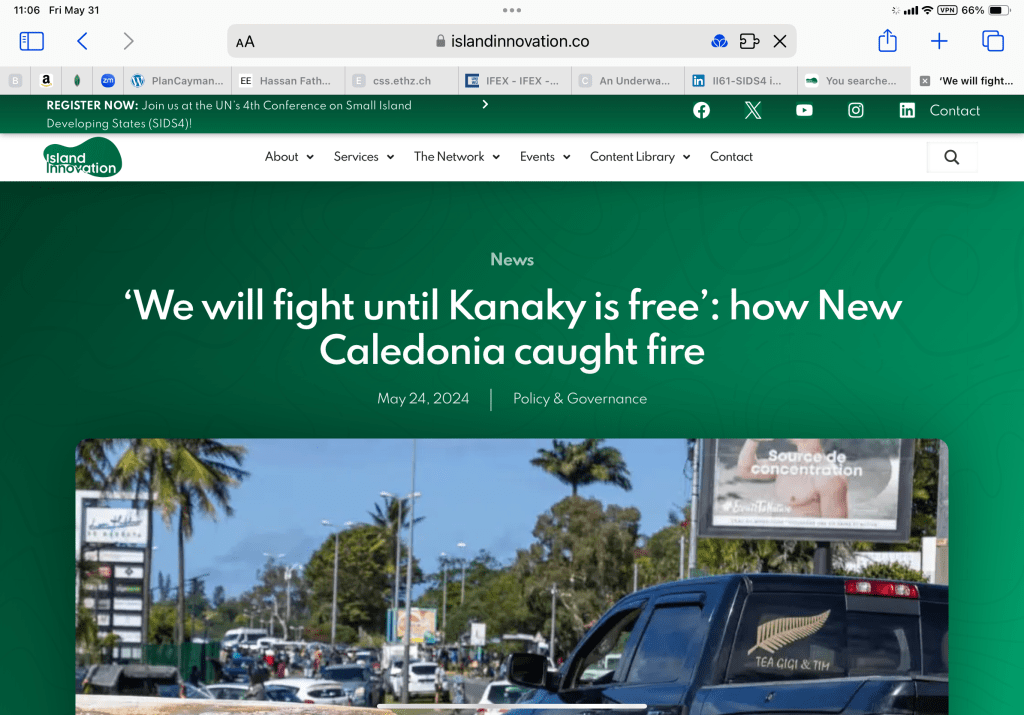
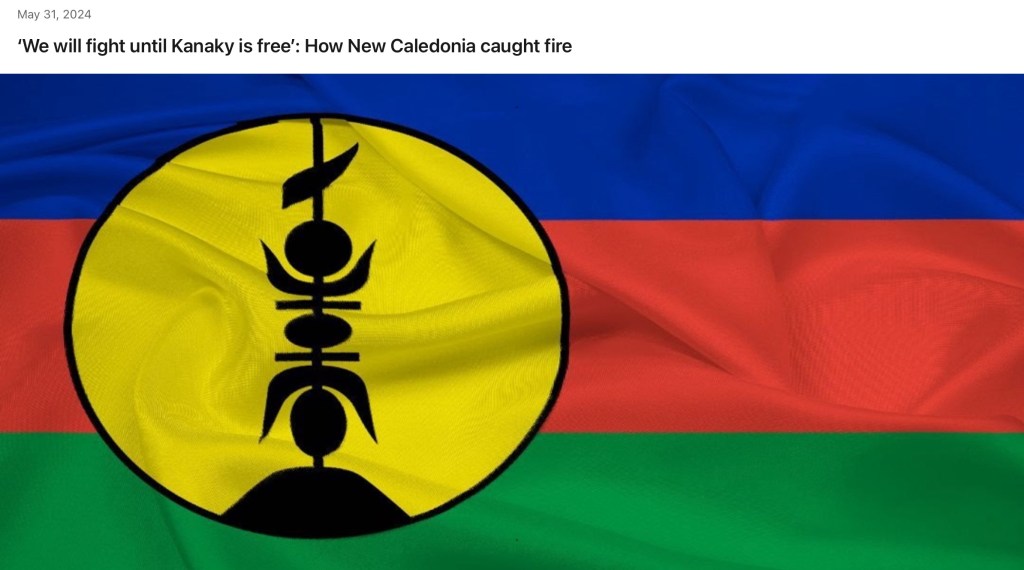
Anger is growing in New Caledonia over France’s plan to let more French residents vote in provincial elections, which some fear will dilute the indigenous Kanak vote. The archipelago has 270,000 people. Check out the full story to learn more about the unfolding controversy.
Activists call on UK to prepare CI for climate change

(CNS): Following the Nor’wester that struck parts of the Cayman Islands coastline earlier this month, local environmental activists are urging the UK…
Activists call on UK to prepare CI for climate change
Atlantic at Tipping Point

The Atlantic is calculated to rise by a metre. Photo: Henrik Egede-Lassen This is Climate Crisis article Number 26. A study finds the circulation of …
Atlantic at Tipping Point
G20 Big pledge to triple renewables
G20 pledge to triple renewables
JOINT DECLARATION: After months of wrangling, the Indian G20 presidency managed to secure a joint leaders’ declaration this week. The text included a pledge to “pursue and encourage efforts” to triple renewable energy capacity by 2030, the Associated Press reported. The global goal, widely understood to mean 11,000 gigawatts (GW) by 2030, is “vital” to keeping 1.5C within reach, the International Energy Agency (IEA) said in July. IEA chief Dr Fatih Birol told DeBriefed it was a “good step, but far from enough” (see Spotlight).
 Democracy & Good Governance