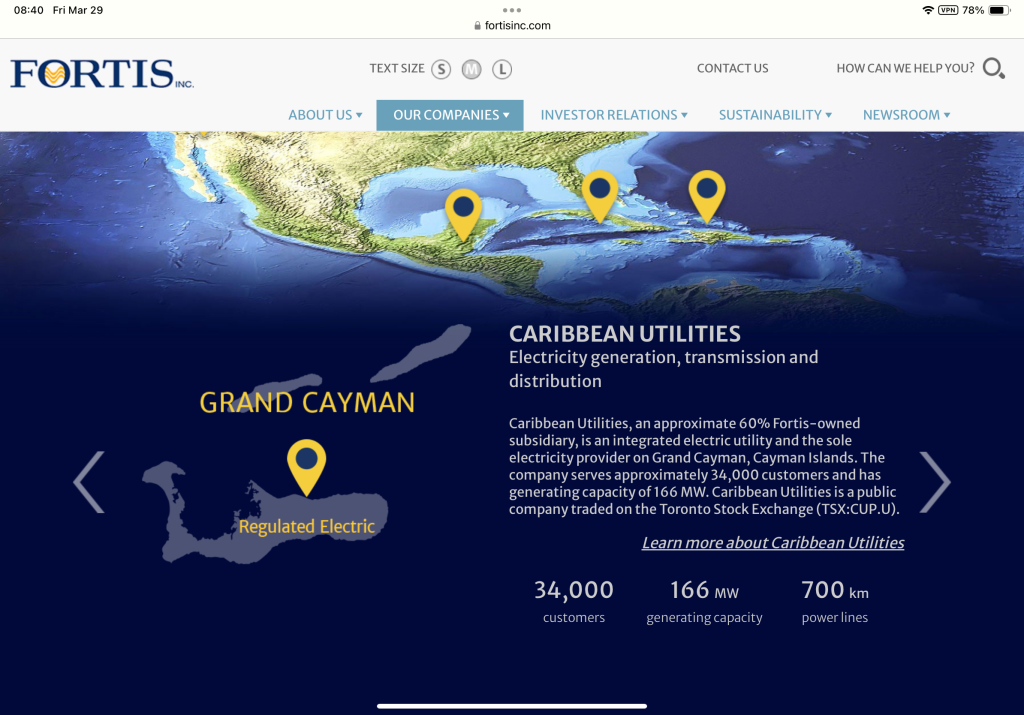
I shall attempt to unpack the Caribbean Utilities Companies situation here in the Cayman Islands, as well that of its majority shareholder Fortis Inc of Canada. https://www.fortisinc.com which owns at least 60% of Caribbean Utilities Company Ltd.
“Realise therefore, that over half of every dollar of Caymanians hard earned money ends up in the pockets of Fortis Inc. Shareholders.”
In fact, the total foreign ownership of Caribbean Utilities Company is in the vicinity of 81%.
Cayman Compass Article
FortisBC will Invest Close to $700 Million to Reduce GHG Emissions and Lower Energy Costs for Customers
Reducing energy use is a key pillar in the company’s goal to lead the clean energy transformation in BC Canada.
FortisBC will invest a record CA$694.8 million to help customers reduce their energy use over the next four years, a key pillar in the company’s goal to lead the clean energy transformation in B.C. The investment will allow FortisBC to shift its efforts to more advanced energy-efficiency initiatives, build new energy-saving programs and work with Indigenous communities to develop targeted programs for their unique needs.
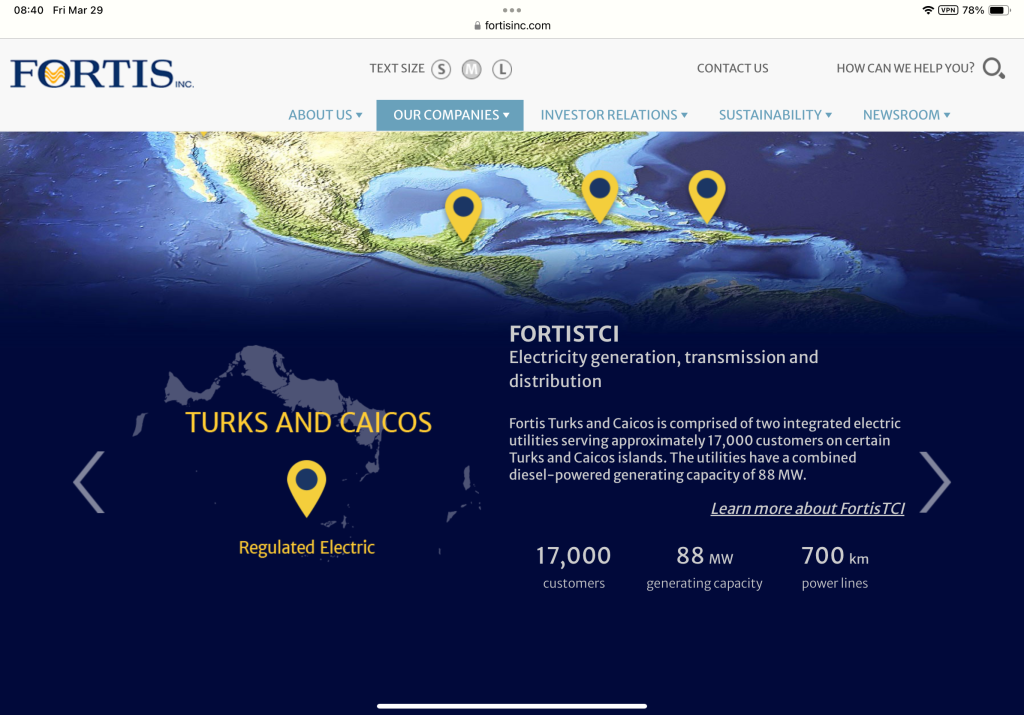
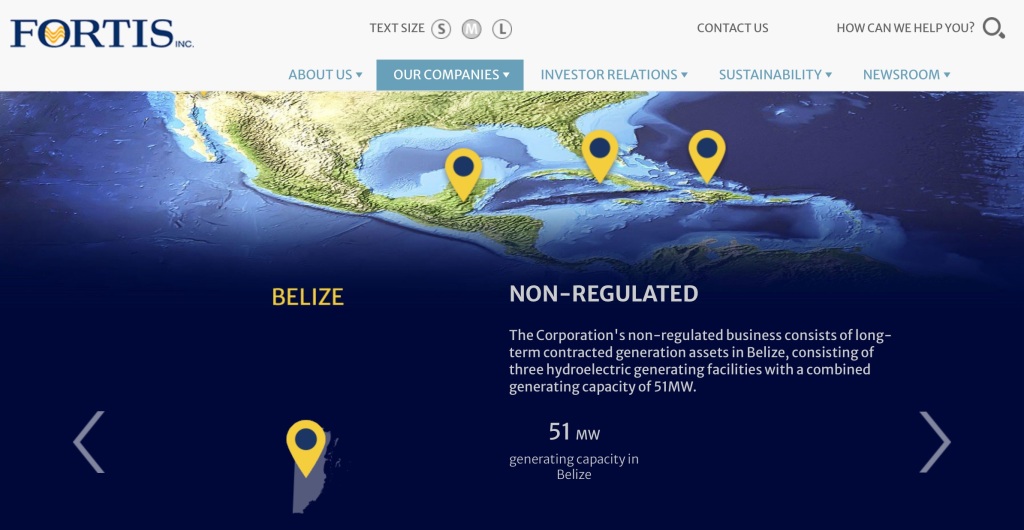
It is indeed interesting to note the difference between Fortis Inc’s policies in Canada and their regional policies in The Cayman Islands, The Turks & Caicos Islands and Belize.
In British Columbia (BC) Canada FortisBC will invest CA$694.8 million to help customers reduce their energy use over the next four years, a key pillar in the company’s goal to lead the clean energy transformation in B.C.
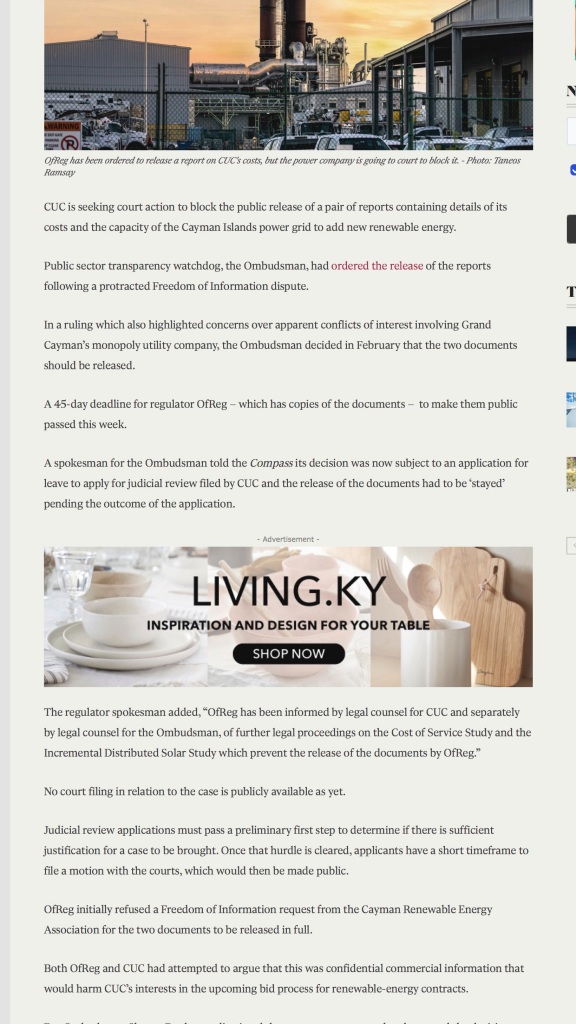
In the Cayman Islands however Caribbean Utilities Company is seeking court action to block the public release of a pair of reports containing details of its costs and the capacity of the Cayman Islands power grid to add new renewable energy.
Public sector transparency watchdog, the Ombudsman, had ordered the release of the reports following a protracted Freedom of Information dispute.
In a ruling which also highlighted concerns over apparent conflicts of interest involving Grand Cayman’s monopoly utility company, the Ombudsman decided in February that the two documents should be released.
The differences in policy between the way customers are treated by Fortis Inc in BC Canada, and how they are treated in the Caribbean by their subsidiary Caribbean Utilities Company Ltd (as well as Fortis Inc’s Belize and Turks & Caicos operations) leads to only one possible conclusion which is that their Cayman Islands operation is exceedingly profitable, and that they will do everything possible to maintain their monoply. The fact that the cost of living in the Cayman Islands is the highest in the world is obviously meaningless to the management of Caribbean Utilities Company as they are at heart Capitalists whose only care is Fortis Inc shareholder profits.
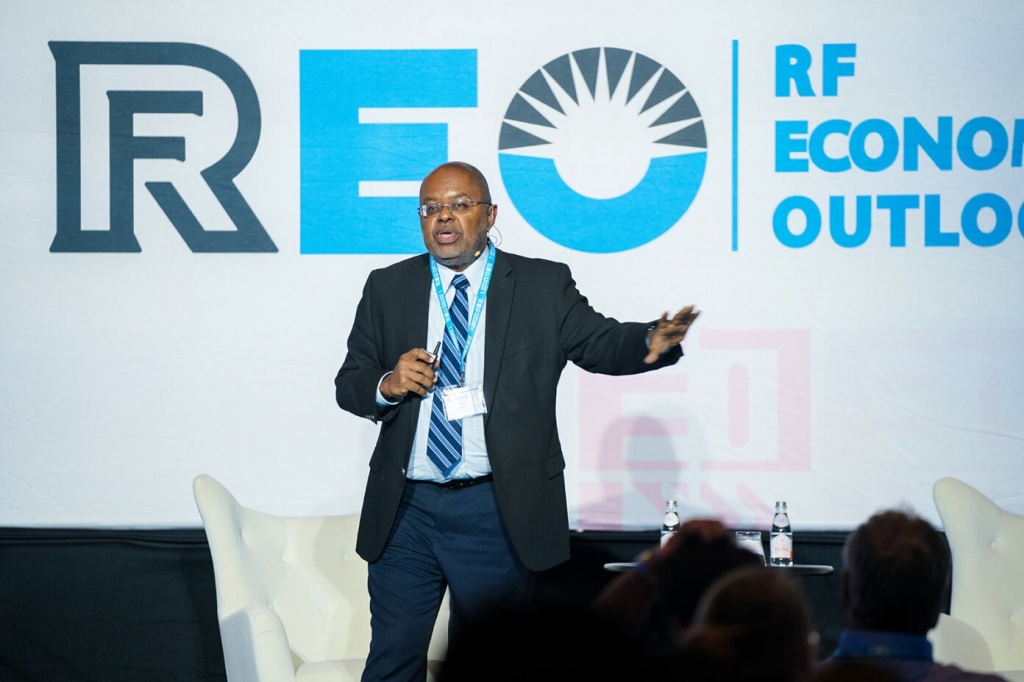
Fletcher told the audience that when he was negotiating with Amber Rudd, when she was the UK’s minister for climate change, “she was fighting me on loss and damage because loss and damage meant liability and compensation, which is something that the United Kingdom did not want to consider.
Dr. Jimmy Fletcher of St. Lucia
“But, for you in Cayman, loss and damage is important, so who speaks on your behalf now?”
Video game entrepreneur Henk Rogers helped Hawaii switch to green energy. Now he wants to help Cayman do the same.
The energy lab at Henk Rogers’ ranch in Hawaii. – Photo: Supplied Henk Rogers
Guest column by Henk Rogers
The Cayman Islands are a paradise – pristine beaches, world-class diving, and unique wildlife, like endangered blue iguanas and rare birds like the red-footed boobies.
They are also the Caribbean islands most negatively impacted by extreme weather, and the fifth-most vulnerable islands in the region to rising sea levels.
The irony is the Cayman Islands aren’t just victims of climate change – they are also significant contributors to the problem.
According to the World Bank, the Cayman Islands consumed 655 million kilowatt hours of electricity in 2019, with only 2.5% of that being produced from island-based renewable sources.
I have lived in Hawaii for much of the last 50 years, and I understand precisely the problems the Cayman Islands are facing. I’ve also participated in Hawaii’s energy transformation and know how the lessons we’ve learned in the Pacific can help our Caribbean friends improve their relationship to energy and have a more resilient, affordable and climate-friendly future.
But we need all of the key stakeholders in the Cayman Islands onboard, and right now we’re facing considerable resistance from one of those stakeholders: the Caribbean Utilities Company, the electricity provider for Grand Cayman.
But first, a little history.
Ditching dirty energy
Before 2015, Hawaii was one of the largest consumers of fossil fuels per capita on the planet. There is no well-populated island more isolated on the globe than Hawaii, and the islands were at the mercy of oil-producing cartels, shelling out upward of US$6 billion a year on dirty energy – petroleum and coal – to fuel the archipelago.
The state’s political and business leadership recognised that the system in place was unhealthy for its citizens, was economically unsound (that money did not stay in the local economy), and was contributing to the climate crisis to dramatic effect in Hawaii. Like other island states, Hawaii was ground zero for the negative impacts of climate change – from extreme storms and flooding to rising sea levels to devastated coral reefs and ecosystems.
In turn, these negative impacts had deleterious effects on human health, communities, our economy and tourism.
In 2007, I founded Blue Planet Foundation, a non-profit that led the movement to establish a 100% renewable-energy transition for the state by 2045. The road was challenging, but ultimately we were successful, and Governor David Ige signed legislation in 2015 making Hawaii the first US state to legislatively mandate a transition to 100% renewable energy.
This was a landmark decision, and one that has since seen more than 20 US states and territories embrace their own versions of this law. Since Hawaii passed that legislation, I founded Blue Planet Alliance, another non-profit, whose mission is to replicate the success we had in Hawaii with other island countries and territories globally.
Last year, we launched a fellowship programme, in which we convene representatives of other islands in Hawaii for a week-long deep dive with local experts into the technical, economic and leadership challenges of transitioning from fossil fuels. We help participating islands develop their own 100% renewable-energy transition plans and create a strategy to make it a reality.
Making it a reality is no easy task. In Hawaii, navigating the relationship with the state’s primary utility, Hawaiian Electric, was the most difficult part of the protracted endeavour. They were wed to their monopoly business model of operating fossil-based power plants, and the new renewable future was uncertain and scary for a large corporation. This is where island leadership was necessary to set the vision for the future – even over the objection of the utility.
From opponents to partners
Interestingly, after Hawaii’s 100% legislation was adopted, Hawaiian Electric – forced to do a long-range analysis of powering the grid with only renewable energy – found that Hawaii’s 100% clean-energy future could be achieved five years ahead of schedule, at a cost that was billions less than ‘business as usual’, all while working collaboratively with consumers and the private sector.
We helped them devise a business model that was a win-win-win-win: an energy source that was healthier for the planet, more affordable for consumers, better economically for Hawaii, and allowed the utility to make more money.
We’re working to recreate this success story through the Blue Planet Fellowship programme. That first cohort last October comprised eight islands – seven from the Pacific region (many of which have since followed through with proposed legislation for transitions to 100% renewable energy) and the Cayman Islands, our sole Caribbean representative.
The representatives from the Cayman Islands were very committed to bringing renewable energy to their home country. One of those representatives, James Whittaker – chairman of the Cayman Islands Energy Policy Council – spoke poignantly about the environmental impacts on the baby red crab population, which has greatly diminished since his childhood.
But, just as we encountered in Hawaii, despite the support for more renewable energy, the Cayman Islands are getting major pushback from the utility company. It is worth noting that CUC is a Canada-based public company with a monopoly contract for the transmission of electricity in Grand Cayman, which is enforceable through 2048.
Pushing a flawed ‘solution’
Publicly, CUC has embraced solar energy and other renewableenergy sources. But it’s unclear if their private actions are truly aligned with a low-cost, clean-energy future for the Cayman Islands. CUC has recently suggested that importing a new fossil fuel – liquefied natural gas, or LNG – will somehow be a better choice than renewable energy. We heard something similar from the Hawaii utility 10 years ago before we committed to 100% fossil-free energy.
In 2014, Hawaiian Electric argued that importing LNG would serve as a low-cost ‘bridge’ fuel to our clean-energy future. They went so far as to sign an agreement with Fortis, the company that owns a majority stake in CUC, for importing the LNG.
Hawaii leadership ultimately rejected this proposal after learning that the purported cost savings were unlikely to materialise – particularly given the costly infrastructure upgrades needed to receive that fossil fuel.
What’s more, the environmental claims that LNG was somehow a ‘cleaner’ fuel fell apart when examined closer. Several analyses conclude that the lifecycle-climate impact associated with LNG production, transport and energy generation are greater than those of other fossil fuels – even coal. Fortunately, Hawaii instead decided that our future was 100% renewable – a future that was incompatible with importing a new fossil fuel.
That decision paid off. The Hawaiian Electric service territory is, as of 2023, between 30% and 52% renewable, and the Kauai Island Utility Cooperative grid is currently about 70% renewable. The Kauai example is particularly relevant for Grand Cayman, as they have nearly identical populations (about 75,000) and similarly sized electricity grids (about 166 megawatts for Grand Cayman and 236 megawatts for Kauai).
Solar power from rooftops is currently the largest source of clean energy in Hawaii. Over 100,000 homes have solar-power plants on their roof – more than one-third of all detached single-family dwellings in the state. Besides the fact that they produce power without having to take up valuable farmland and conservation space, they are decreasing customer bills, increasing resiliency, creating new solar jobs and reducing our carbon emissions.
We are eager to share what we’re learning in Hawaii with the Cayman Islands’ leadership, residents and CUC. As we found through our experience in Hawaii, working with the utility is much more productive than fighting if we want to accelerate a future that benefits people, planet and prosperity. We are convinced they will make more money if they work collaboratively and embrace the rapid switch to renewables – money that will stay circulating in the Cayman economy.
We are continuing to work with the Cayman Islands representatives who attended our October fellowship programme, just as we are continuing to work with the seven other islands that participated. Our vision is an enormous diplomatic bloc of 50 islands that will matriculate our programme in just three years – 50 islands on their own path to 100% renewable energy. Imagine what kind of demonstration that will be to mainland powers like China, India and the United States.
We hope CUC can share our vision of collaborating toward a cleaner, healthier, less threatened and more prosperous future – and what we’ve learned can help them get there.
Henk Rogers is the founder of the non-profit Blue Planet





 Democracy & Good Governance