Banks have given almost $7tn to fossil fuel firms since Paris deal, report reveals | Fossil fuels | The Guardian

The world’s big banks have handed nearly $7tn (£5.6tn) in funding to the fossil fuel industry since the Paris agreement to limit carbon emissions, according to research.

In 2016, after talks in Paris, 196 countries signed an agreement to limit global heating as a result of carbon emissions to at most 2C above preindustrial levels, with an ideal limit of 1.5C to prevent the worst impacts of a drastically changed climate.

Many countries have since promised to reduce carbon emissions, but the latest research shows private interests continued to funnel money to oil, gas and coal companies, which have used it to expand their operations.
(https://www.theguardian.com/environment/article/2024/may/13/banks-almost-7tn-fossil-fuel-firms-paris-deal-report)

Are climate scientists being too cautious when linking extreme weather to climate change?

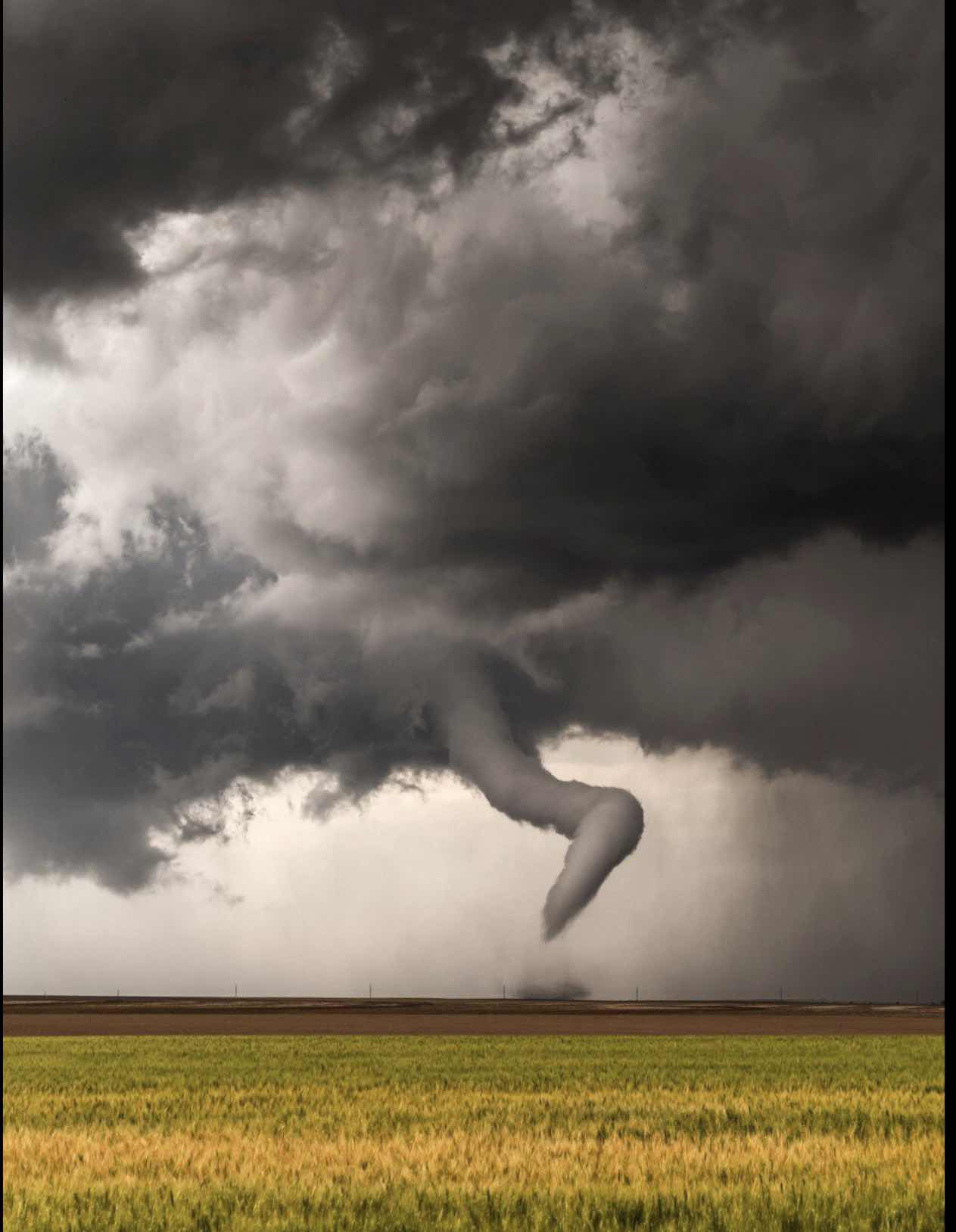
In this year of extreme weather events—from devastating West Coast wildfires to tropical Atlantic storms that have exhausted the alphabet—scientists and members of the public are asking when these extreme events can be scientifically linked to climate change.
Dale Durran, a professor of atmospheric sciences at the University of Washington, argues that climate science need to approach this question in a way similar to how weather forecasters issue warnings for hazardous weather.
In a new paper, published in the October issue of the Bulletin of the American Meteorological Society, he draws on the weather forecasting community’s experience in predicting extreme weather events such as tornadoes, flash floods, high winds and winter storms. If forecasters send out a mistaken alert too often, people will start to ignore them. If they don’t alert for severe events, people will get hurt. How can the atmospheric sciences community find the right balance? 

Read More