

WLA
governance
INTERVIEW: Trump is crazy Starmer is beyond belief
George Galloway
Glenn Greenwald: Power Unchecked Destroys Freedom
Judge Napolitano – Judging Freedom
The Normalization of Assassination

The news has been filled with reports of assassinations, attempted assassinations, and shootings targeted against law enforcement. The spate of political violence has seriously eroded America’s legitimacy as a moral and decent state. How did we get here?
U.S. state violence on the world stage may help explain the rise of political violence here at home.
The idea of political assassination gained traction with the U.S. intelligence services during World War II, which was viewed (somewhat understandably) as an existential struggle that justified any act, however illegal, that was necessary for the cause.
During the Cold War, that mindset continued, but the illegal killing was hidden because it was inconsistent with the shining-city-on-the-hill propaganda. Certain intelligence agencies secretly supported a number of high-profile political assassinations, such as the 1961 killing of Prime Minister Patrice Lamumba of the Democratic Republic of Congo and the 1963 killing of President Diem of South Vietnam, not to mention a number of attempts to kill Fidel Castro of Cuba. These killings were presented as organic local forces rising up against “corrupt” leaders. Then and now, any leader who was disobedient to the U.S. regime was by definition “corrupt.”
Because of embarrassing press reports of the CIA and FBI’s illegal operations in and out of the United States, the Senate Select Committee to Study Governmental Operations With Respect to Intelligence Activities was formed in 1975 to investigate the abuses of power and direct harm to U.S. citizens. It was conveniently called the Church Committee after the chairman, Frank Church of Idaho.
The nation was shocked by what was revealed, including operations such as MKULTRA, a mind control experiment on unwitting U.S. citizens who were subjected to destabilizing drug exposure and other abuse. It is believed that much of the really appalling MKULTRA information was hidden and destroyed. Americans also learned about COINTELPRO (acronym for Counter Intelligence Program), a series of FBI operations aimed to disrupt and harm American anti-war and civil rights groups. The committee also uncovered operations performing illegal assassinations.
For two years, the Church Committee uncovered many disgusting abuses and recommended oversight and controls to end them. But it was not long before the oversight and controls faded.
In 1986, the Iran–Contra scandal exploded and exposed the Reagan administration, which had funneled arms through Israel to our “enemy” Iran to provide funds for anti-communist guerrilla operations in Central America. It was a huge scandal, and there were indications that it was also a money laundering operation to support other illegal behavior by intel agencies. These embarrassing revelations caused the agencies to be more careful.
Fair use excerpt. Read the whole article here.
[We live in a Nation State whose premise is to dominate the Planet]
In a society that is governed by fear,
Led by people who want to rule by fear.
That’s not right.”
The David Frum Show
BBC Bias EXPOSED Live On Air By Jeffrey Sachs
Novara Media
The Pentagon’s UAP Secrets Are Getting Out
The Good Trouble Show with Matt Ford
Rep. Burchett on MTG and Rep Crockett in Oversight markup – News Nation
Congressman Tim Burchett
Caribbean advocate: Cayman voiceless in international climate-change talks – Cayman Compass
Fletcher told the audience that when he was negotiating with Amber Rudd, when she was the UK’s minister for climate change, “she was fighting me on loss and damage because loss and damage meant liability and compensation, which is something that the United Kingdom did not want to consider.
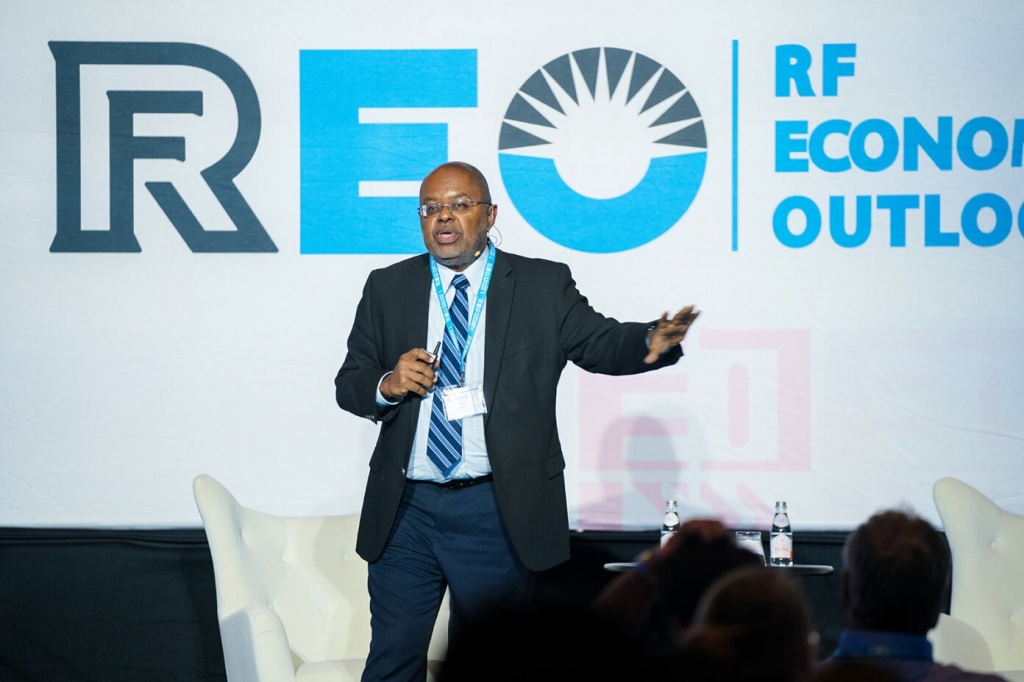
“But, for you in Cayman, loss and damage is important, so who speaks on your behalf now?”
 Democracy & Good Governance