Arundhati Roy on Religious Nationalism, Dissent, and the Battle Between Myth and History

Arundhati Roy on Religious Nationalism, Dissent, and the Battle Between Myth and History 

 Good afternoon, and thank you for inviting me to deliver the Sissy Farenthold lecture. Before I begin, I would like to say a few words about the war in Ukraine. I unequivocally condemn Russia’s invasion of Ukraine and applaud the Ukrainian peoples’ courageous resistance. I applaud the courage shown by Russian dissenters at enormous cost to themselves.
I say this while being acutely and painfully aware of the hypocrisy of the United States and Europe, which together have waged similar wars on other countries in the world. Together they have led the nuclear race and have stockpiled enough weapons to destroy our planet many times over. What an irony it is that the very fact that they possess these weapons, now forces them to helplessly watch as a country they consider to be an ally is decimated—a country whose people and territory, whose very existence, imperial powers have jeopardized with their war games and ceaseless quest for domination.

Scientists Stage Worldwide Climate Change Protests After IPCC Report

Over 1,000 scientists from 25 different countries staged protests last week following the release of the Intergovernmental Panel on Climate Change’s new report. The report warned that rapid and deep cuts to greenhouse gas emissions are necessary by 2025 to avoid catastrophic climate effects.
The group, called the Scientist Rebellion, writes in a letter that “current actions and plans are grossly inadequate, and even these obligations are not being met.” Their protests “highlight the urgency and injustice of the climate and ecological crisis,” per a statement from the organization.
In Los Angeles, scientists including Peter Kalmus, a NASA climate scientist with the Jet Propulsion Laboratory, chained themselves to the JP Morgan Chase building.
“We’ve been trying to warn you guys for so many decades,” Kalmus says, his voice shaking. “The scientists of the world have been being ignored. And it’s gotta stop. We’re going to lose everything.”
They were met by about 100 police officers in riot gear and arrested, reports Salon’s Eric Schank  https://bit.ly/36sqfvo

Scientists Stage Worldwide Climate Change Protests After IPCC Report

Scientists Stage Worldwide Climate Change Protests After IPCC Report

Over 1,000 scientists from 25 different countries staged protests last week following the release of the Intergovernmental Panel on Climate Change’s new report. The report warned that rapid and deep cuts to greenhouse gas emissions are necessary by 2025 to avoid catastrophic climate effects.

The group, called the Scientist Rebellion, writes in a letter that “current actions and plans are grossly inadequate, and even these obligations are not being met.” Their protests “highlight the urgency and injustice of the climate and ecological crisis,” per a statement from the organization.

In Los Angeles, scientists including Peter Kalmus, a NASA climate scientist with the Jet Propulsion Laboratory, chained themselves to the JP Morgan Chase building.

“We’ve been trying to warn you guys for so many decades,” Kalmus says, his voice shaking. “The scientists of the world have been being ignored. And it’s gotta stop. We’re going to lose everything.”

They were met by about 100 police officers in riot gear and arrested, reports Salon’s Eric Schank https://bit.ly/36sqfvo

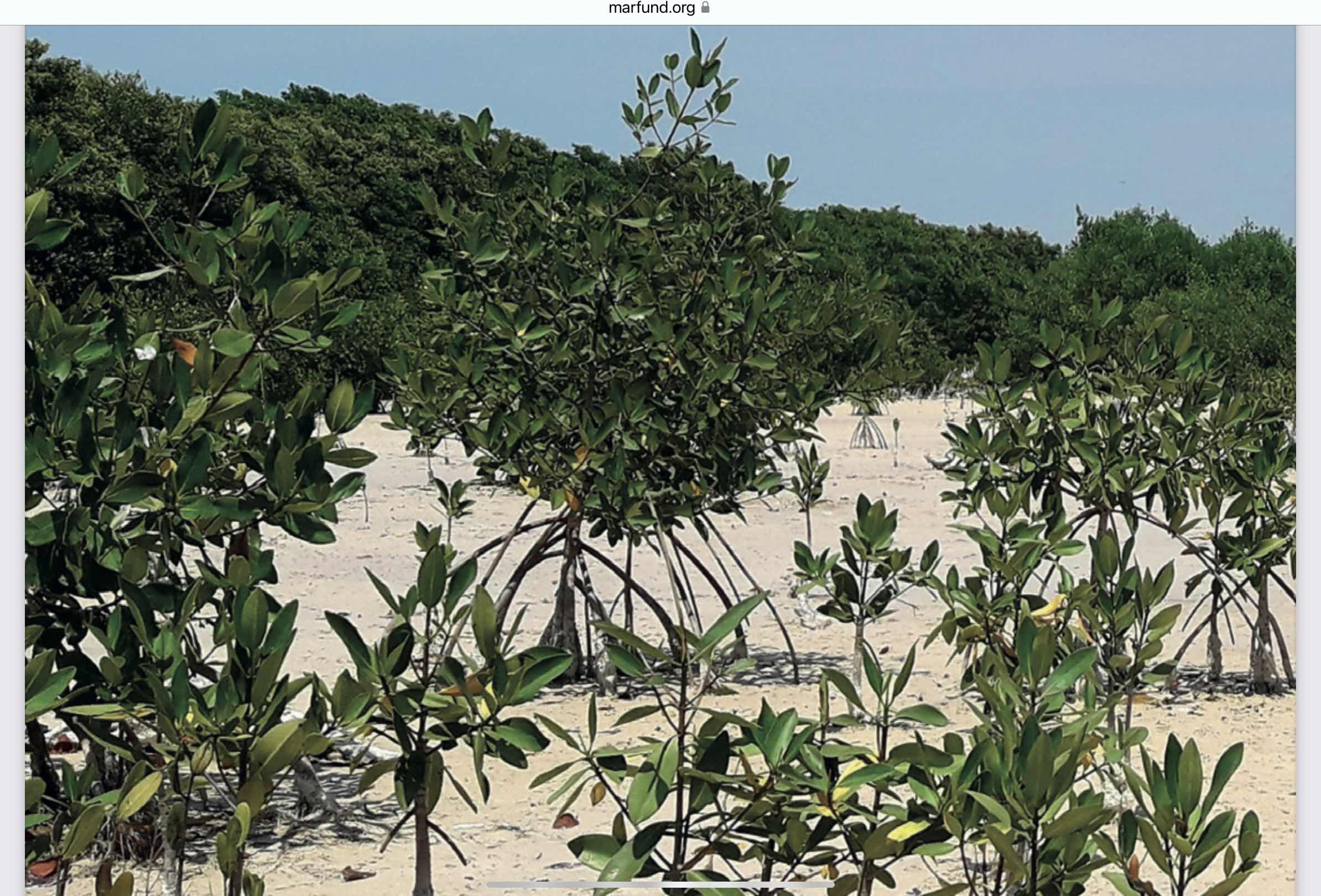
Manual for the ecological restoration of mangroves in the Mesoamerican Reef System and the Wider Caribbean

Manual for the ecological restoration of mangroves in the Mesoamerican Reef System and the Wider Caribbean
Scope of the Manual

Mangroves in the Mesoamerican Reef Region (MAR) and the Wider Caribbean are the economic foundation of over 134 million people living in the coastal regions. Mangroves provide protection against floods and buffer against storms and hurricanes, to which the region is highly vulnera- ble. Additionally, due to their close relationship with other ecosystems, such as coral reefs and seagrasses, mangroves and the ecosystem services they provide are the conservation pillars of coastal ecosystems.
Among these services, the storage potential of blue carbon is one of the most essential services in mitigating the effects of climate change, in addition to supporting important tourism and fish- eries industries. However, every year the extent of mangroves continues to decline due to the im- pacts of climate change, change in land use, and the overexploitation of resources.
This manual contributes to strengthening local, national, and regional capacities for the eco- logical restoration of mangroves and the ecosystem services they provide in the MAR and the Wider Caribbean region. Within the framework of the Cartagena Convention and the United Na- tions Decade on Ecosystem Restoration 2021-2030, ecological restoration (ER) of mangroves is considered a Nature-based Solution (NbS) that allows addressing the effects of climate change. This favors biodiversity conservation and the economic well-being of the population, contribut- ing to the United Nations Sustainable Development Goals.
Mangrove ecological restoration in the MAR and the Wider Caribbean is a priority in the Regional Environmental Framework Strategy (ERAM, for its initials in Spanish) of the Central American Commission for Environment and Development (CCAD, for its initials in Spanish), in the devel- opment of the Blue Economy Regional Protocol, led by the MAR2R/CCAD/WWF-GEF Project as well as in the Regional Strategy and Action Plan for the Valuation, Protection and/or Restoration of Key Marine Habitats in the Wider Caribbean 2021-2030 (RSAP), developed under the Special- ly Protected Areas and Wildlife (SPAW) subprogram of the Cartagena Convention. https://bit.ly/3KTbhgK

Read More – Download

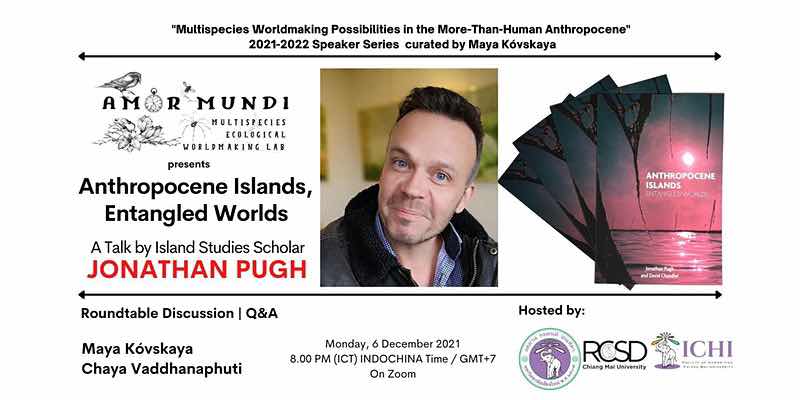
Register for Online Conference Global Crisis, Time for Truth

The organizers would like to inform you about the international online conference Global Crisis, Time for Truth, 

The conference will take place on 04.12.2021. The conference has organized by volunteers from more than 180 countries around the world and will be interpreted into approximately 100 languages. 

Please share information about the conference, let the whole world know about it. 


For Information & Registration Click HereInformation

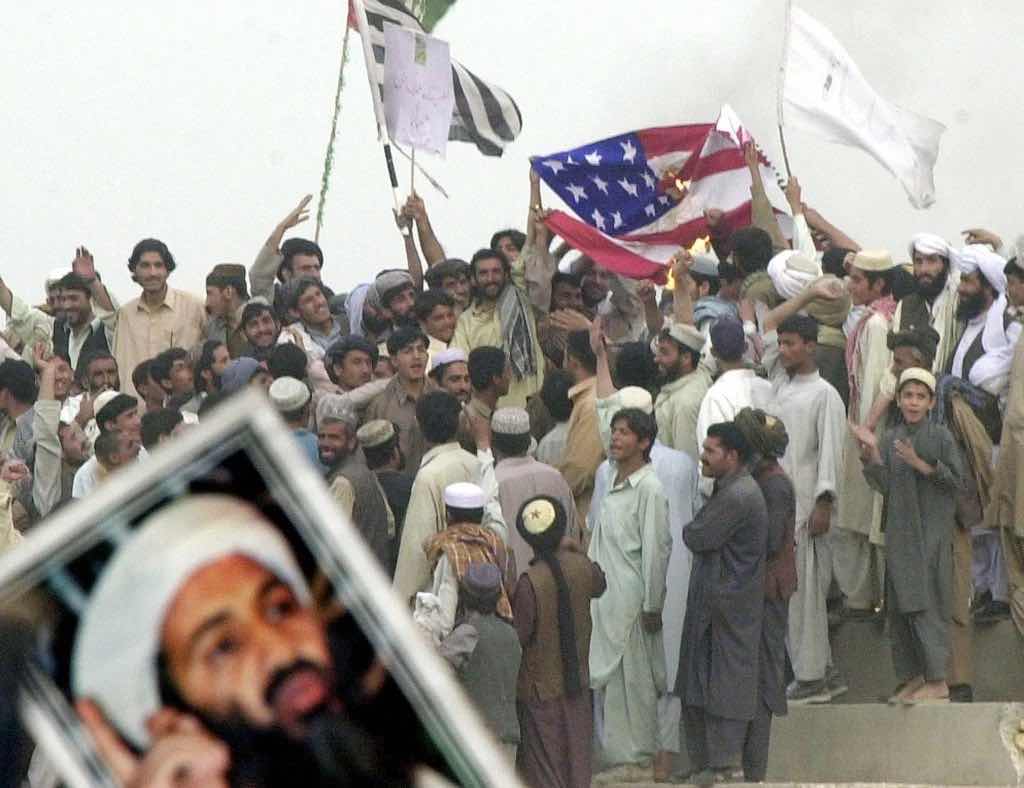
The Return of the Taliban: The End of the US Empire?

Before 9/11, Nafeez Ahmed warned of an impending invasion of Afghanistan to control a strategic pipeline. 20 years on, the return of the Taliban is the predictable legacy of America’s failed strategy


 “We did not push the Russians into invading, but we knowingly increased the probability that they would,” said Zbigniew Brzezenski, former national security advisor to President Jimmy Carter. “That secret operation was an excellent idea. The effect was to draw the Russians into the Afghan trap.” 
The US and UK played the lead roles in channelling funds and arms to the newly formed ‘mujahideen’, which brought in up to a hundred thousand recruits from across the Muslim world. Pakistan and Saudi Arabia were the most prominent among the network of Muslim states funnelling financial, military and logistical support into Afghanistan, coordinated by the CIA, Pentagon, MI6 and Ministry of Defence. Read More

How the Taliban surge exposed Pentagon’s lies

 The handful of companies that run the biggest TV channels, newspapers and websites in the US are also part of a network of transnational corporations whose relentless economic growth has been spurred on by the “war on terror” and the channelling of trillions of dollars from the public purse into corporate hands.

The cosy ties between the US media and the military are evident too in the endless parade of former Pentagon officials and retired generals who sit in TV studios commenting as “independent experts” and analysts on US wars. Their failures in Iraq, Libya and Syria have not apparently dented their credibility.  Read More

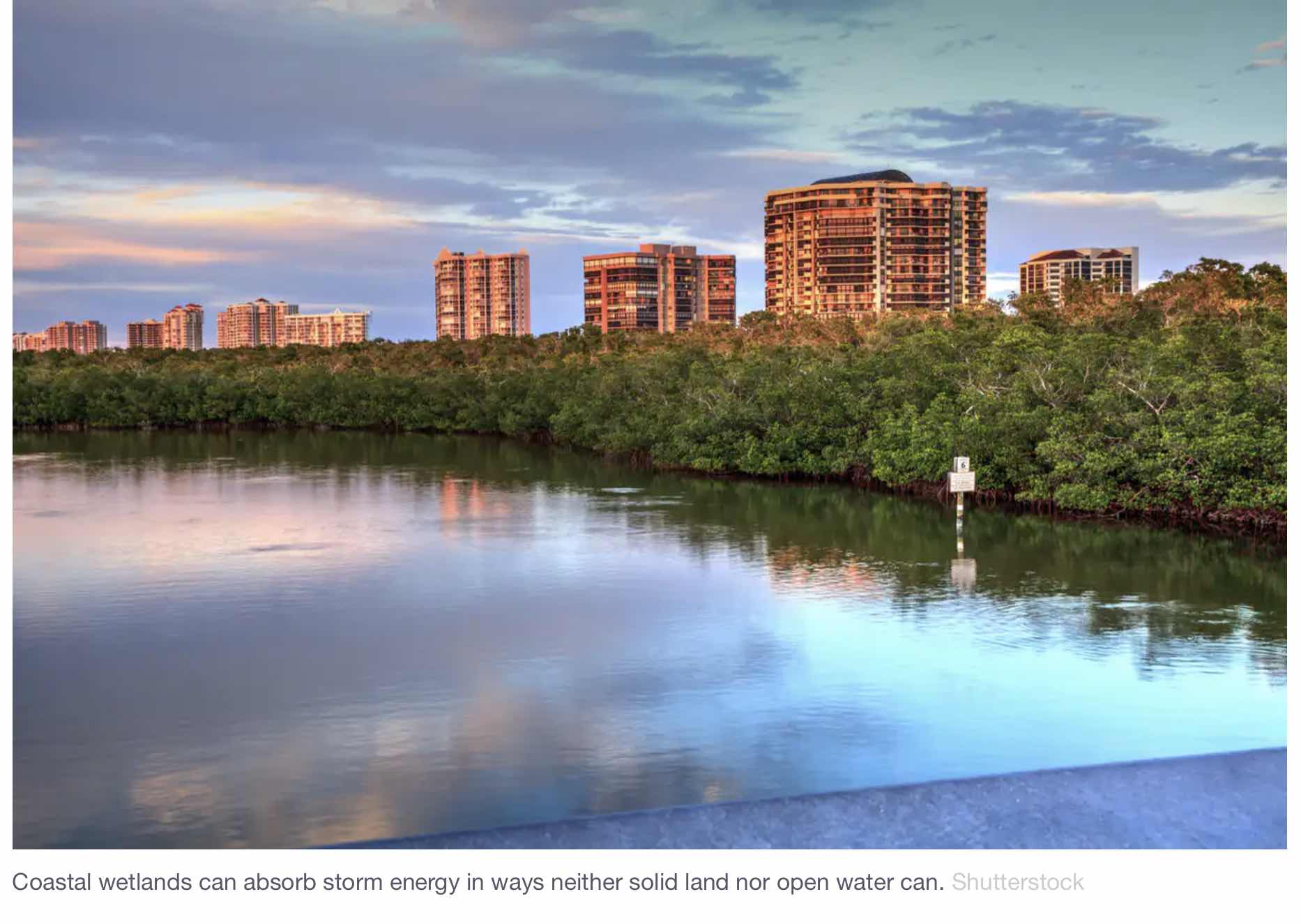
Forget massive seawalls, coastal wetlands offer the best storm protection money can buy

 How wetlands reduce storm effects
Coastal wetlands reduce the damaging effects of tropical cyclones on coastal communities by absorbing storm energy in ways that neither solid land nor open water can.
The mechanisms involved include decreasing the area of open water (fetch) for wind to form waves, increasing drag on water motion and hence the amplitude of a storm surge, reducing direct wind effects on the water surface, and directly absorbing wave energy.
Wetland vegetation contributes by decreasing surges and waves and maintaining shallow water depths that have the same effect. Wetlands also reduce flood damages by absorbing flood waters caused by rain and moderating their effects on built-up areas. Read More

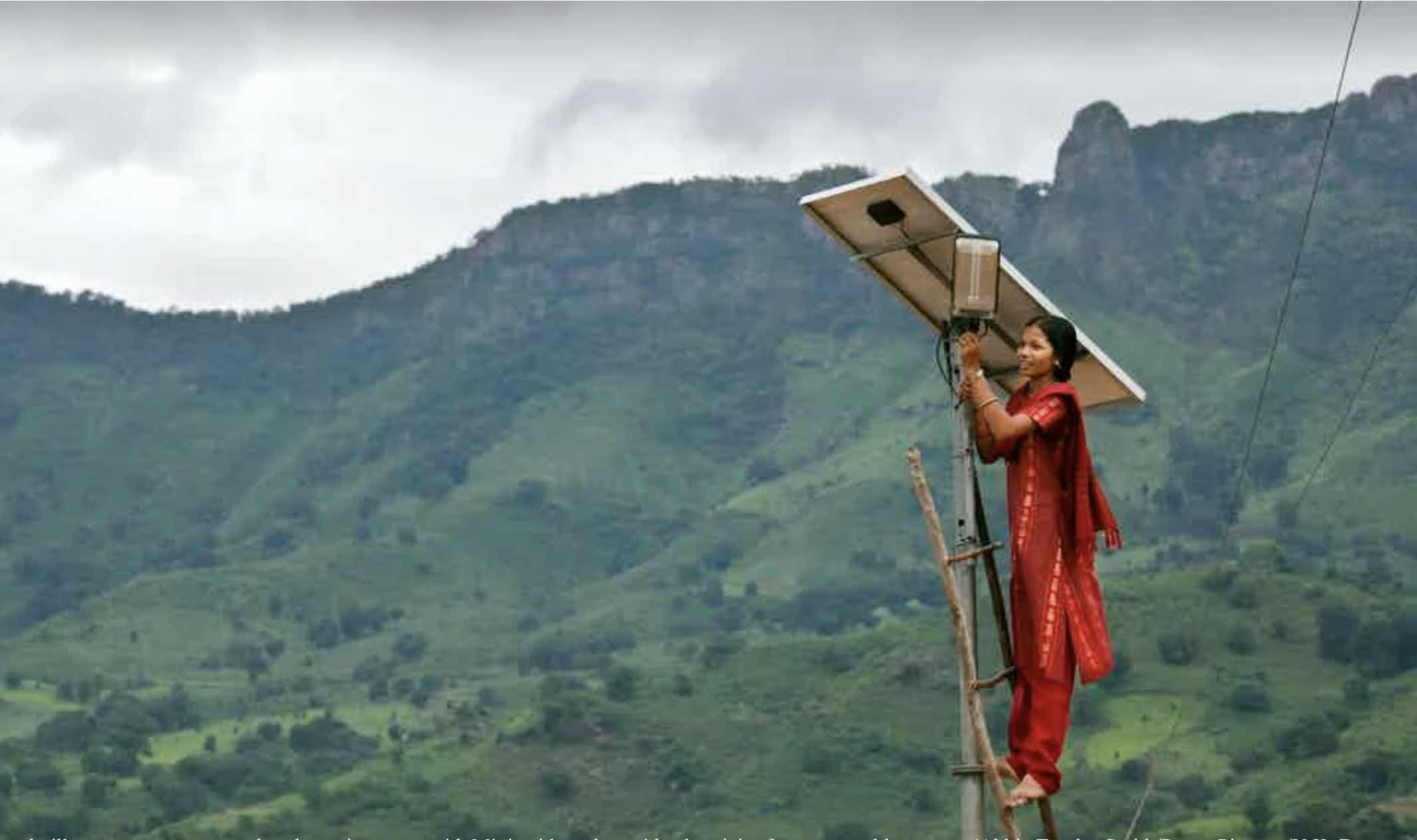
Why renewable energy ‘mini-grids’ in remote communities fail and how to avoid it

Powering our appliances and charging our smart devices night and day is something many take for granted. Yet 789 million people living in remote communities and isolated areas globally do not have access to electricity. If we include the people who are not connected to their national grid, the number rises to 1.4 billion.